
Centradenia floribunda
Centradenia floribunda
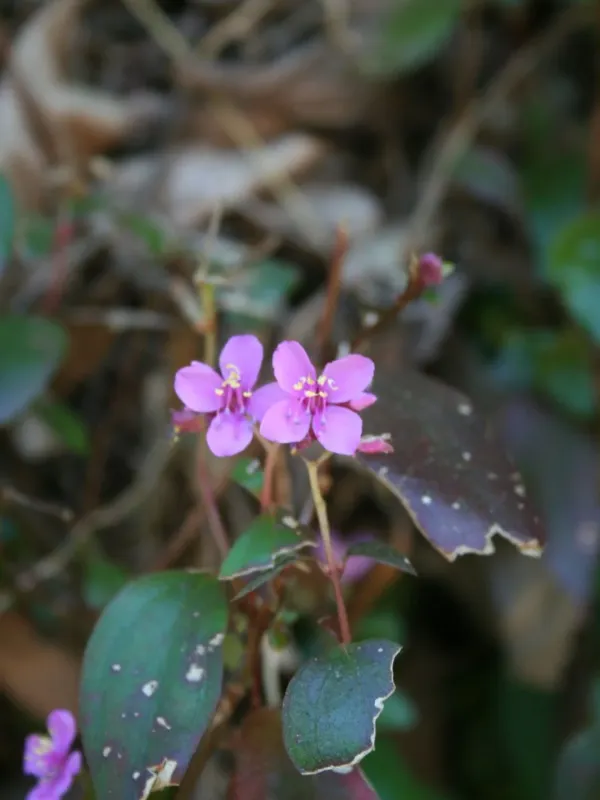
Description
Sowing dates
Propagation of Centradenia floribunda is typically achieved through seed sowing or stem cuttings in controlled greenhouse environments. The seeds are extremely small, requiring surface sowing on a fine, moist medium without burying them to ensure proper germination.
The ideal timing for initiation of growth is early spring, which allows the plant to take full advantage of the increasing photoperiod. Using peat-based mixes with perlite ensures the necessary moisture retention while preventing the substrate from becoming overly compacted.
Cuttings should be taken from semi-hardwood shoots during late winter or early spring for best results. Placing the cuttings in a warm environment with high humidity promotes root development within a few weeks, leading to vigorous plant establishment.
Germination success depends on maintaining a stable temperature range between 22 and 25 degrees Celsius. Precise climate control during this phase is vital, as the delicate seedlings are highly susceptible to fluctuations in thermal and moisture levels.
Once the seedlings develop two or three sets of true leaves, they should be carefully transplanted into individual containers. It is essential to avoid disturbing the root ball during this process to ensure the plant continues its growth cycle without interruption.
Growing requirements
Centradenia floribunda, a member of the Melastomataceae family, is a tropical plant with specific environmental needs. To thrive, it requires bright, indirect light, which is crucial for stimulating its abundant flowering and maintaining vibrant foliage health.
The soil must be well-draining, slightly acidic, and rich in organic matter. A mixture that prevents water stagnation is critical, as the roots are sensitive to oxygen deprivation caused by heavy, waterlogged soil conditions typical in poor-quality potting mixes.
Optimal growth occurs at temperatures between 18 and 24 degrees Celsius. As a frost-tender species, it must be protected from cold drafts and winter temperatures, making it suitable primarily for container gardening in temperate climates.
High relative humidity is essential for this species to prevent leaf desiccation and pest outbreaks. Utilizing humidifiers or placing the plant in a climate-controlled conservatory helps maintain the required 50-70% humidity levels throughout the growing season.
Regular fertilization with a balanced, water-soluble fertilizer is recommended during the peak growing season. It is advisable to avoid excessive calcium levels in fertilizers, as this species prefers slightly acidic conditions for optimal nutrient uptake.
Main diseases and pests
The primary pests affecting Centradenia floribunda are spider mites and whiteflies, which tend to infest the foliage in low-humidity environments. Regular monitoring of the leaf undersides is a necessary practice to manage potential populations before they cause damage.
Improper watering practices, specifically over-saturation of the substrate, frequently lead to root rot. This fungal condition thrives when airflow around the pot is restricted and soil moisture levels remain consistently too high for extended periods.
Powdery mildew may occur if the plant is exposed to poor ventilation and sudden shifts in temperature. Maintaining a clean growing area and ensuring adequate spacing between plants can significantly reduce the incidence of this fungal pathogen.
Effective pest and disease management involves the targeted application of insecticides or fungicides. It is crucial to follow manufacturer guidelines and apply treatments when the plant is not in direct sunlight to prevent foliage damage.
Sanitation is a critical component of preventing future outbreaks. Removing fallen leaves and pruning dead or diseased stems ensures that the plant remains healthy and resilient, allowing it to focus its energy on floral production.