
Robinsonella discolor
Robinsonella discolor
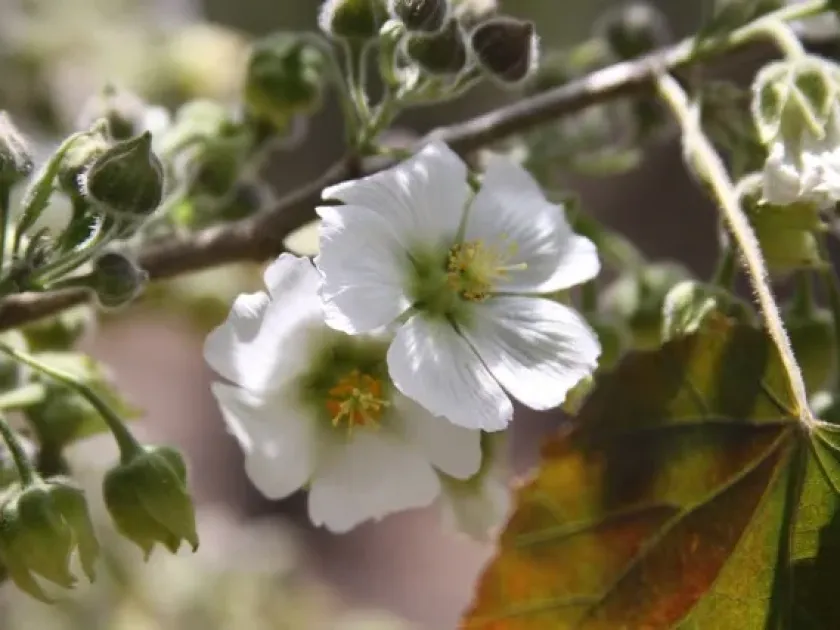
Description
Sowing dates
Robinsonella discolor, a distinct member of the Malvaceae family, requires specific propagation techniques to ensure high germination rates in a managed agricultural setting.
The seeds are typically sown in a sterile, well-draining medium, ensuring they are placed at a depth that balances moisture retention with oxygen availability for the embryo.
Maintaining a consistent soil temperature of approximately 24 degrees Celsius is essential for breaking dormancy and stimulating the initial growth of the radicle.
After the seedling phase, the plants are transitioned to larger containers, allowing the root system to expand fully before the final planting in the main field or greenhouse.
Proper spacing during the nursery phase is crucial to prevent etiolation, as overcrowded seedlings tend to develop weak stems and susceptibility to dampening-off diseases.
Growing requirements
This species thrives in tropical climates characterized by warm temperatures and high humidity, necessitating specialized greenhouse controls in temperate regions.
Soil composition must be rich in organic matter, providing a steady supply of nutrients while facilitating excellent drainage to prevent root hypoxia.
Light intensity plays a significant role in the overall health of Robinsonella discolor, with bright, indirect light being the ideal balance for optimal foliage development.
Nutrient management involves a balanced fertilizer application, emphasizing phosphorus during the early stages and potassium to support the development of vibrant floral structures.
Watering frequency should be adjusted based on the seasonal growth cycle, ensuring the substrate remains moist but not waterlogged to maintain physiological balance.
Main diseases and pests
Common pests affecting this crop include various species of scale insects and spider mites, which can cause significant damage to the leaf tissue if left unchecked.
Fungal pathogens such as Fusarium wilt or root rot represent major risks, especially in environments where humidity levels are poorly regulated or soil drainage is insufficient.
Implementing an integrated pest management strategy is highly recommended, incorporating biological controls and chemical interventions only as a secondary line of defense.
Regular sanitation of tools and the immediate removal of infected plant debris are critical practices to mitigate the risk of disease transmission within the cultivated area.
Proactive monitoring for early symptoms of nutrient deficiencies or pest infestations allows for targeted treatment, preserving the vigor and yield potential of the plants.
Harvesting
Harvesting strategies for Robinsonella discolor are generally focused on vegetative biomass or ornamental quality, depending on the specific application of the crop.
The timing of harvest is dictated by the plant's growth stage and the desired end-use, often requiring manual labor to ensure the preservation of delicate structural features.
Post-harvest handling involves careful drying or curing processes in a controlled environment to maintain the integrity of the plant tissues and prevent spoilage.
Quality control standards are applied to assess the size, color, and overall health of the harvested material before it is processed or prepared for distribution.
Efficient harvesting protocols contribute to the long-term sustainability of the cultivation, ensuring minimal damage to the primary stems and promoting future productivity.