
Robinsonella cordata
Robinsonella cordata
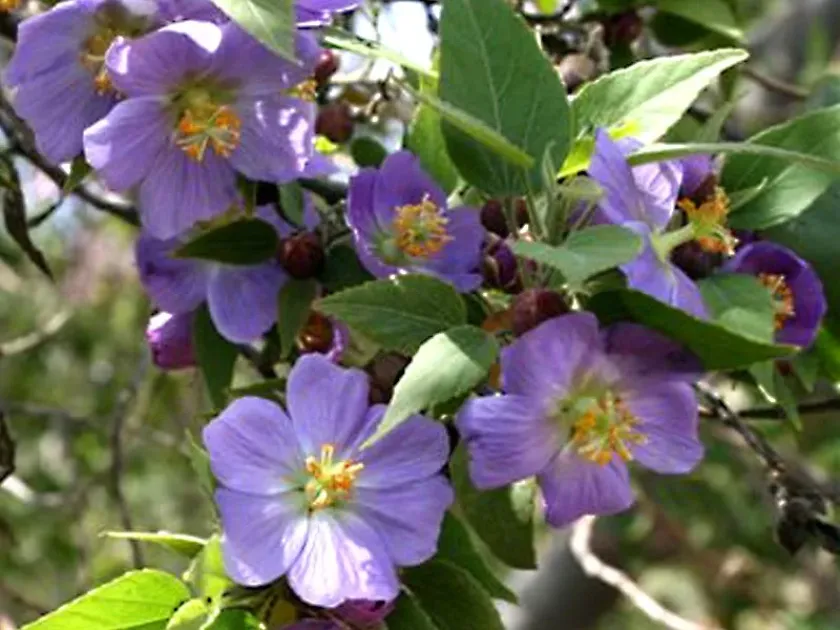
Description
Growing requirements
Robinsonella cordata is a tree species belonging to the Malvaceae family, native to the tropical regions of Central America. This plant is recognized for its unique leaf morphology and growth habit suitable for tropical landscapes.
The cultivation of this species requires a climate with consistent warmth and high humidity. It performs best in areas where the soil remains moist but never waterlogged throughout the growing season.
Soil quality is a critical factor; the tree prefers deep, fertile, and well-drained soil. It does not tolerate heavy, clay-based soils that impede root respiration and encourage the growth of pathogens.
Botanically, it is characterized by cordate (heart-shaped) leaves and specific floral structures typical of the mallow family. Proper spacing is essential to ensure that each tree has access to enough light and air circulation.
Agronomic management involves mulching to retain soil moisture and the application of balanced fertilizers to support the vigorous growth observed in tropical environments.
Main diseases and pests
Root rot remains the most significant threat to Robinsonella cordata, often triggered by improper irrigation practices or poor soil drainage. Maintaining a healthy water balance is key to disease prevention.
Various insect pests, such as aphids and mites, can infest the canopy, leading to leaf chlorosis and premature leaf drop if not addressed with appropriate pest management protocols.
Fungal leaf spots may occur in high-humidity areas with poor air movement, necessitating the implementation of thinning practices to improve crown ventilation.
Integrated Pest Management (IPM) techniques should be prioritized, utilizing both mechanical removal of damaged parts and targeted application of environmentally friendly pesticides.
Constant monitoring of soil acidity and nutrient levels is recommended to ensure the plant remains vigorous and resilient against typical biotic stressors found in agricultural settings.