
Melochia corchorifolia
Melochia corchorifolia L.
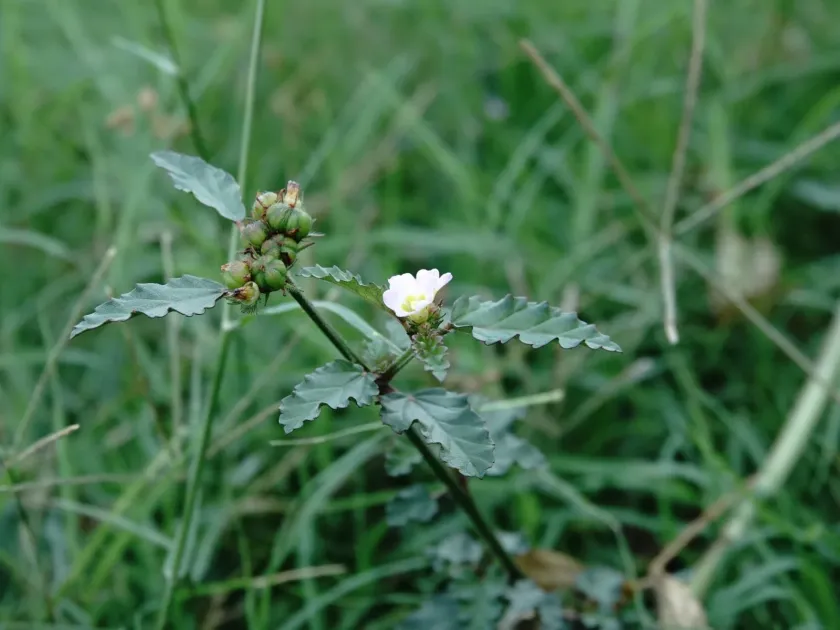
Description
Sowing dates
Melochia corchorifolia is a heat-loving plant, requiring stable temperatures of 18–20 degrees Celsius for successful germination. It is best sown at the beginning of the rainy season in tropical regions to ensure optimal establishment.
Seeds should be planted in rows with 30–45 cm spacing, ensuring adequate room for growth. A shallow planting depth of 1–2 cm is recommended, as the small seeds require sufficient light and oxygen to sprout effectively.
Proper timing is essential for this crop, as it relies on a consistent growing season to reach its full vegetative potential. Early sowing allows the plants to maximize biomass production before any seasonal shifts in weather occur.
While mechanical seeding is common in large-scale agriculture, hand-planting is effective for smaller plots. Uniform seed distribution is critical to prevent overcrowding, which can hinder the development of strong, fibrous stems.
Maintaining a healthy stand density ensures that the plants grow tall and straight, which is particularly important when the crop is being cultivated for high-quality bast fiber production.
Growing requirements
Melochia corchorifolia, belonging to the Malvaceae family, is an annual herbaceous plant native to tropical areas. It thrives in regions with high humidity and abundant sunlight, often naturally occurring near water bodies.
This crop prefers moist, fertile, and well-drained soils, though it shows impressive tolerance for temporary waterlogging. It performs best in neutral to slightly acidic soil conditions and responds well to nitrogen fertilizers.
Botanically, the plant is characterized by a branched, upright stem that can reach heights of over one meter. Its leaves are serrated and lanceolate, often resembling those of jute, indicating its adaptation to similar ecological niches.
The optimal temperature range for development is between 25 and 30 degrees Celsius. Temperatures below 15 degrees can severely restrict growth, making this plant exclusively suited for warm-climate agricultural settings.
Due to its rapid growth rate, it requires adequate nutrient availability throughout the season. Proper soil preparation and moderate irrigation are vital to support the plant's intense metabolic activity during its peak growing phase.
Yield
The yield of green mass for Melochia corchorifolia typically ranges from 15 to 25 tons per hectare under ideal conditions. Proper fertilization and moisture management are the primary drivers of these high yield figures.
When harvested for fiber, the output consists of bast fibers that make up roughly 10–15 percent of the dry stem mass. This fiber is valued for its durability and is utilized in the production of ropes, twines, and coarse textiles.
As a forage crop, it provides a high-protein feed source for livestock. It is often used fresh or ensiled, helping farmers supplement their animal nutrition programs with locally grown, sustainable botanical resources.
It also functions effectively as a cover crop, as its rapid canopy closure suppresses weed growth and improves soil health by adding organic matter when the residues are incorporated back into the field.
Seed production yields are dependent on favorable pollination weather. When managed specifically for seeds, the harvest timing must be precise to capture the maximum volume of matured seed capsules.
Main diseases and pests
High humidity levels pose a significant risk, as they promote fungal diseases such as root rot and leaf spot. These conditions can significantly reduce the overall health and fiber quality of the crop.
Pests, particularly leaf-feeding beetles and caterpillars, are the most frequent threats. These insects can cause extensive damage to the foliage, thereby stunting growth and reducing the plant's ability to produce biomass.
Aphids and whiteflies are common sap-sucking pests that can cause damage not only through direct feeding but also by transmitting various viral pathogens, leading to plant deformities and stunted growth.
Effective pest management relies on preventative measures such as crop rotation and the prompt removal of crop residues. Keeping the field well-drained helps mitigate the risk of fungal proliferation.
Chemical intervention should be considered a last resort. Using biological controls or targeted, eco-friendly insecticides is preferred to maintain the quality of the biomass and minimize environmental impact.
Harvesting
Harvesting for green fodder is typically performed during the peak flowering stage to ensure the highest nutritional value. Cutting too early or too late can negatively affect the digestibility and protein content of the material.
For fiber production, harvesting should occur shortly after the flowering phase. This timing allows for optimal stem length and fiber development before the plant tissue becomes excessively lignified and hard to process.
Mechanical harvesting using rotary mowers is the standard for larger fields. The harvested stems are then processed through retting or mechanical stripping depending on the final intended use of the fibers.
Seed harvest takes place once the seed capsules have matured and darkened. Careful handling is required to avoid shattering, as the seeds are small and easily lost during the threshing process.
Post-harvest management includes deep plowing to incorporate the remaining stalks into the soil, which helps improve the organic structure of the field for future planting cycles.