
Malachra fasciata
Malachra fasciata Jacq.
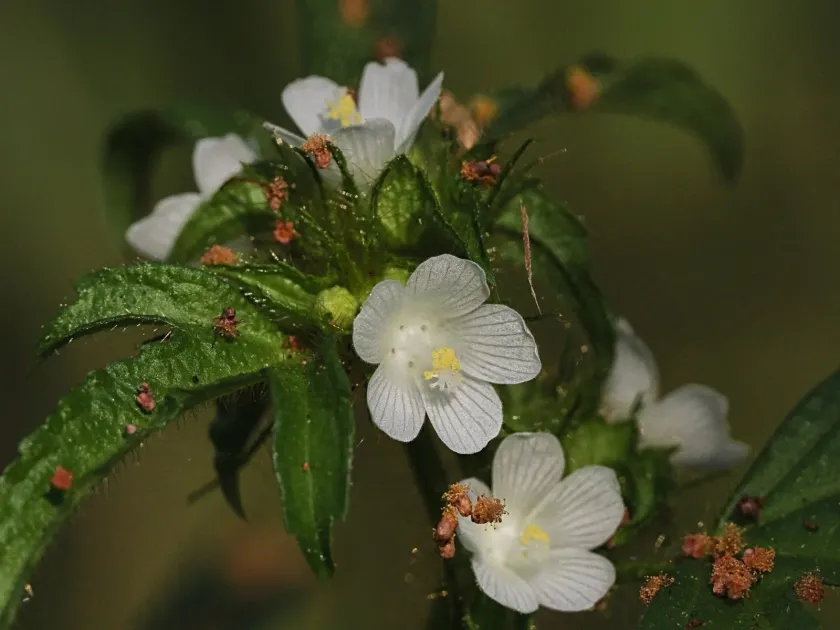
Description
Sowing dates
Malachra fasciata is a heat-loving plant that requires stable soil temperatures to germinate. Sowing should only occur once the risk of frost has passed and the soil has sufficiently warmed.
In its primary regions of growth, sowing coincides with the onset of the rainy season. Proper moisture management immediately after planting is crucial to ensure high emergence rates.
The seeds should be sown in rows with precise depth control. Because the seeds are relatively small, they are susceptible to being planted too deep, which can delay or prevent germination.
Standard plant density for fiber production is higher than for seed production. This density encourages the plant to grow tall and minimizes the development of lateral branches.
Monitoring for soil pests after sowing is essential, as early-stage seedlings are highly vulnerable. A well-planned seeding strategy ensures a uniform crop stand.
Growing requirements
This species thrives in well-drained, fertile soils. While it can adapt to various conditions, waterlogged soils are detrimental and often lead to root decay.
Sunlight exposure is a critical factor for the growth and quality of Malachra fasciata. Being a short-day plant, it requires specific light conditions to initiate flowering.
Soil pH should ideally be neutral or slightly acidic. Optimal nutrient levels, particularly nitrogen and potassium, are needed to support rapid biomass accumulation during the vegetation phase.
Irrigation may be necessary during dry spells, especially if rainfall is unpredictable. Maintaining consistent soil moisture levels throughout the growing season maximizes fiber length.
Climatic requirements focus on high temperatures and high humidity, which are characteristic of its native tropical habitats. Protecting the crop from extreme cold is mandatory.
Yield
The primary yield parameter for this crop is the dry stem weight per hectare. High-yielding varieties combined with proper agronomic management can significantly boost productivity.
Fiber content represents a significant portion of the dry stem biomass. Achieving the correct harvest timing is crucial to ensure the fiber quality remains high during processing.
Seed production is another viable yield objective. Depending on the cultivation density, seed yields can vary, but healthy plants usually produce a stable amount of viable seeds.
Proper weed management significantly impacts total yield. Controlling weeds in the early stages prevents competition for nutrients, allowing the plant to reach its full height.
Soil fertility management, including the use of balanced fertilizers, directly influences both the length of the stems and the final weight of the harvested crop.
Main diseases and pests
Fungal leaf spots are among the most common threats to Malachra fasciata. These pathogens proliferate in high-humidity environments, necessitating good airflow within the crop stand.
Root diseases are frequently observed in fields with poor drainage. Once a plant is infected, the entire root system may decline, causing the plant to wither and eventually die.
Insects, particularly those that feed on tender leaves or reproductive structures, can damage the crop. Integrated pest management strategies are recommended to mitigate these impacts.
Aphid infestations can stress the plant and reduce overall vigor. Regular monitoring and timely intervention are necessary to keep infestations below economic thresholds.
- Fungal leaf pathogens
- Root decay due to waterlogging
- Sucking insects such as aphids
- Borer damage to stems and flowers
Harvesting
Harvesting for fiber is optimally timed at the onset of flowering. This stage ensures that the plant contains the highest concentration of high-quality fiber cells.
The stems are mechanically harvested and bundled for further processing. Retting, the process of extracting the fiber, must be conducted under controlled conditions to preserve quality.
Harvesting for seed involves waiting until the seed pods have fully matured and hardened. Drying the pods before threshing prevents damage to the seeds.
Proper post-harvest drying is essential to prevent fungal growth. Ensuring that all material is dried to the correct moisture level extends the storage life of the harvest.
Efficient cleaning of seeds after threshing removes impurities, which is vital for the quality of the next season’s planting material. Secure storage keeps the seeds viable for future cycles.