
Diplodiscus paniculatus
Diplodiscus paniculatus
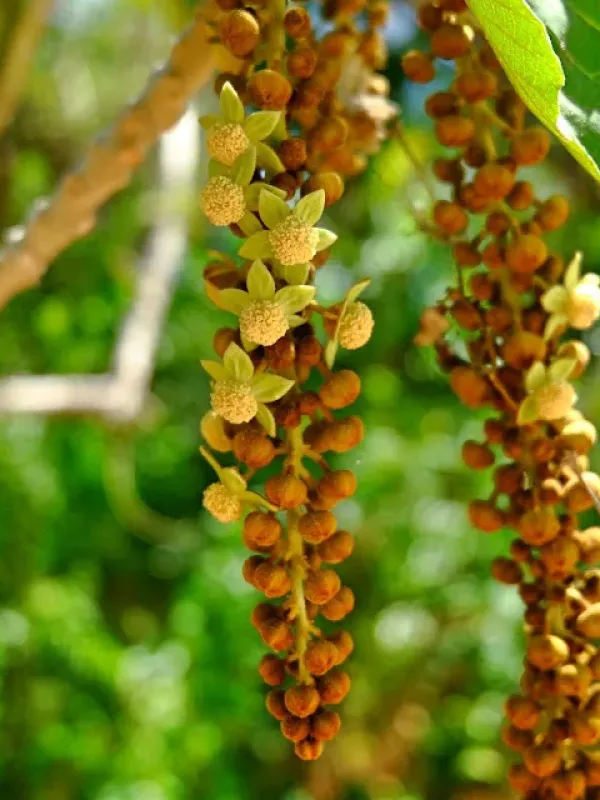
Description
Sowing dates
Propagation of Diplodiscus paniculatus is primarily achieved through seeds. Due to their limited dormancy, seeds must be sown immediately after collection to maintain high viability, ideally in a moist and nutrient-rich medium.
In nursery settings, seeds are planted in trays or containers under controlled temperatures ranging from 25 to 30 degrees Celsius. Consistent moisture is critical for the germination process, which can take several weeks.
Young seedlings require shade to prevent direct sunlight from damaging their leaves. Creating an environment that mimics the lower canopy of a tropical forest is essential for the healthy development of young plants.
Transplanting occurs once the sapling has developed a robust root system, usually when it reaches a height of 40-50 centimeters. Protecting the root ball during this process is vital to minimize transplant shock.
When planning a plantation, adequate spacing is required, typically 8 to 10 meters, to accommodate the eventual size of the mature tree and ensure optimal airflow throughout the orchard.
Growing requirements
Diplodiscus paniculatus belongs to the Malvaceae family and is native to the tropical regions of Southeast Asia, particularly the Philippines. The tree requires a warm, humid climate and cannot tolerate frost or temperatures below 18-20 degrees Celsius.
The plant thrives in deep, fertile soils with good drainage. Waterlogged soil is detrimental, often leading to root rot and significant decline in tree health, so site selection should prioritize well-draining topography.
While the tree is relatively resilient, it performs best when provided with regular moisture throughout the year. Maintaining consistent soil humidity is particularly important during the development of fruit clusters.
Full sun is necessary for mature trees to ensure proper metabolic activity and energy production. In shaded conditions, the tree may show stunted growth and reduced fruit yields, affecting the overall productivity of the crop.
Soil nutrient management is supported by the application of organic matter or compost. Applying mulch around the base of the tree helps retain soil moisture and suppresses weed growth effectively.
Yield
The main agricultural product of Diplodiscus paniculatus is its starch-rich seed, often used as a staple food in local diets. These seeds serve as a vital source of carbohydrates, especially when other crops are scarce.
Yield varies significantly based on tree age and environmental conditions. Mature trees provide a consistent harvest, which is highly valued for both nutritional content and versatility in traditional culinary practices.
The harvest period is determined by the natural maturation of the fruit, which turns brown and begins to crack open. Careful monitoring of the fruit maturity is essential for maximizing harvest quality.
Post-harvest processing involves soaking and thorough cleaning to remove tannins and bitter compounds. This step is mandatory to ensure the seeds are safe and palatable for human consumption.
Beyond its value as a food crop, the timber of the tree is recognized for its density and durability, making it a valuable resource for local woodworking and construction tasks.
Main diseases and pests
Fungal diseases are the primary threats to Diplodiscus paniculatus, especially in high-humidity environments. Leaf spots and fruit rot can occur if air circulation within the canopy is insufficient.
Pests such as wood borers and various defoliating insects can weaken the tree. Regular inspections of the trunk and branches are necessary to identify early signs of infestation and prevent widespread damage.
Insect management is integrated into regular orchard maintenance, focusing on sanitation practices like the removal of fallen leaves and pruned branches that may harbor pathogens or pests.
Maintaining a balanced mineral profile in the soil helps the tree develop natural defenses against common pathogens. A healthy, vigorous tree is much more capable of recovering from minor pest attacks.
When necessary, eco-friendly pesticides can be used to control insect populations, but these should be applied cautiously to preserve the balance of the local ecosystem within the plantation.
Harvesting
Harvesting is typically a manual labor process due to the height of the mature trees. Specialized tools such as pole-mounted cutters or ladders are used to carefully reach and harvest the fruit clusters.
Timely harvest is essential to prevent fruit from falling and decaying on the moist forest floor. Once fruit touches the ground, quality degrades rapidly due to soil-borne fungi and moisture.
After collection, the fruit is processed to remove the outer husk, and the seeds are sorted based on size and quality. Removing defective seeds early ensures that the final product remains high quality during storage.
Drying the seeds in a shaded, well-ventilated area is the final critical step before storage. Proper drying prevents mold development and helps maintain the nutritional integrity of the seeds.
Stored seeds should be kept in cool, dry conditions to avoid spoilage. Following these practices ensures that the harvest remains useful for long-term food supply or market distribution.