
Hollyhock
Alcea rosea L.
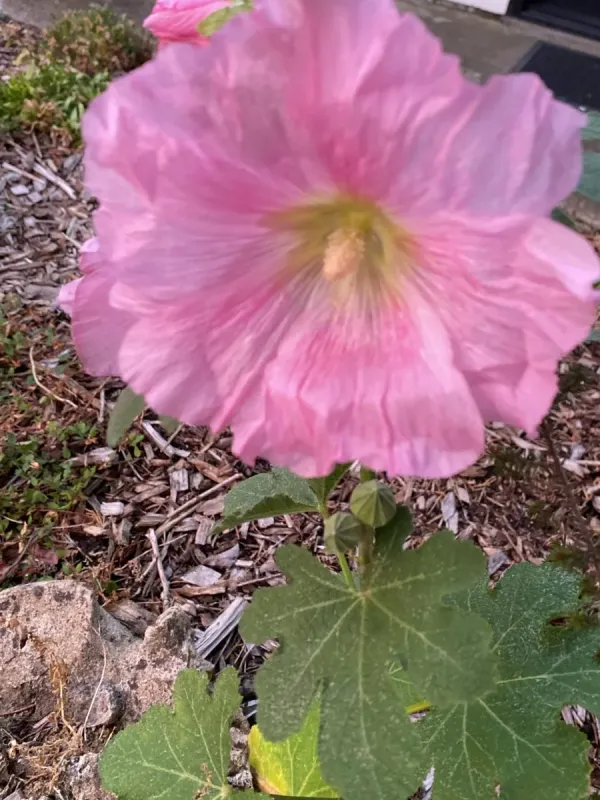
Description
Sowing dates
Hollyhock (Alcea rosea L.) is best sown in open ground during late spring or early summer, once the threat of frost has passed. Seeds can also be sown in the autumn, allowing them to germinate naturally in the following spring.
When cultivating it as a biennial, seeds are typically sown in a seedbed during June or July. This allows the plant to establish a robust root system and a basal rosette of leaves before the first winter, ensuring better flowering in the subsequent season.
The seeds should be sown at a depth of about 1–2 cm. Proper spacing is crucial, with at least 40–50 cm between plants, as hollyhocks can grow quite large and require good air circulation to prevent fungal growth.
Optimal germination occurs at temperatures between 18 and 22 degrees Celsius. When starting indoors in containers, ensure the seedlings are transplanted carefully once they have two or three true leaves to avoid damaging the taproot.
Choose the sowing site carefully, as hollyhocks dislike being moved once established. Preparing a site with full sun and protection from strong winds will guarantee the best development of the flowering stalks.
Growing requirements
Hollyhock belongs to the Malvaceae family and thrives in full sun. It requires a location protected from heavy winds, which could otherwise snap the tall, heavy flowering spikes characteristic of the species.
The ideal soil is fertile, rich in organic matter, and well-drained. While they prefer neutral to slightly alkaline pH, they can tolerate various soil types, provided that waterlogging is prevented through drainage.
Water requirements are moderate, though consistent moisture is essential during the active growing season. During periods of drought, supplemental irrigation is necessary to ensure the plant continues to produce large, vibrant flowers.
Fertilization should be applied during the early growth phase. A balanced fertilizer high in potassium and phosphorus supports stalk strength and flower production, which is essential for healthy plant development.
Good soil structure is vital; if the garden soil is too clay-heavy, incorporate compost and sand to ensure better aeration and drainage, which helps prevent root rot in wetter seasons.
Yield
Hollyhock serves various purposes, from ornamental use to medicinal applications. The flowers and roots contain mucilage and anthocyanins, which are historically used in herbal medicine for their soothing and anti-inflammatory properties.
In the food industry, hollyhock petals are utilized as natural colorants for confectionery products. The pigments provide a deep, natural hue, serving as a sustainable alternative to synthetic chemical dyes.
Technically, the fibers extracted from the tall stems can be utilized in the production of rope or coarse textiles. While not a primary industrial crop, it remains a valuable plant for its multi-purpose utility in rural agricultural systems.
As a nectar-rich plant, it is highly beneficial for apiaries. It attracts various pollinators, including bees and butterflies, which indirectly boosts the productivity of other nearby agricultural crops requiring cross-pollination.
Overall, the yield of the crop is measured not only by flower production but also by its ecological impact in supporting biodiversity within agricultural landscapes, making it a valuable addition to permaculture designs.
Main diseases and pests
The most significant threat to hollyhocks is rust (Puccinia malvacearum), a fungal disease identified by orange-brown pustules on the undersides of leaves. Left untreated, it can quickly defoliate the entire plant.
Control methods involve strict sanitation: removing and destroying infected leaves or entire plants is the best way to curb the spread. Fungicide application during the early season can also be effective in prevention.
Pests such as aphids and spider mites frequently target the succulent parts of the plant. These pests feed on the sap, causing leaf curling and reduced photosynthesis, which weakens the plant and stunts flower development.
Powdery mildew is another common issue, particularly in humid climates with poor air circulation. Maintaining wide spacing between plants and ensuring adequate sunlight significantly lowers the risk of mildew outbreaks.
Crop rotation is recommended to prevent the buildup of soil-borne pathogens. Avoiding planting hollyhocks in the same location as other Malvaceae family members for three to four years is a standard agricultural practice.