
Common hollyhock
Alcea rosea L. var. nigra hort.
Description
Sowing dates
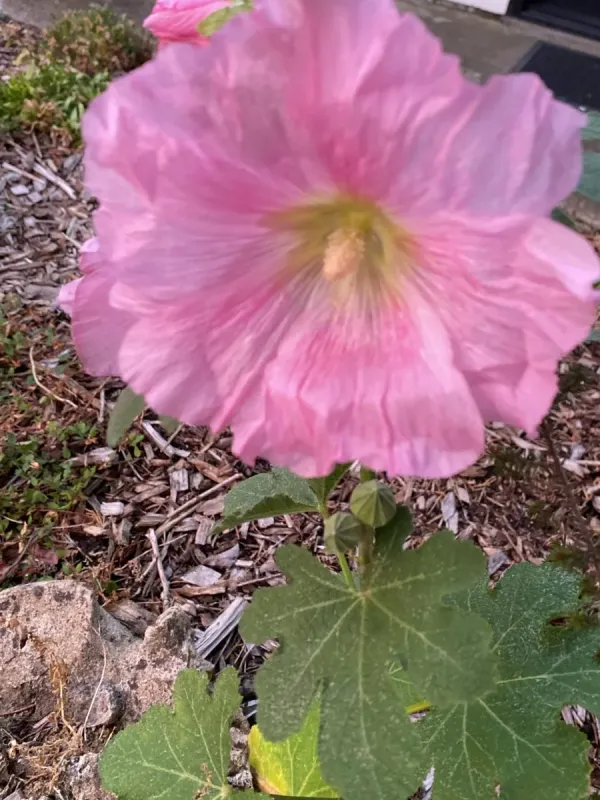
Common hollyhock (Alcea rosea L.) is a herbaceous plant belonging to the Malvaceae family, widely grown for its tall, spectacular flower spikes.
Sowing in the open field usually takes place in late spring or early summer to allow the plant to establish a strong rosette before the first winter.
When starting from seeds, it is recommended to sow them directly in their final location, as the taproot is sensitive to disturbances during transplantation.
If indoor sowing is preferred, peat pots should be used to allow planting out without breaking the soil ball around the roots.
Seeds are sown at a depth of about 1 centimeter, and germination typically requires constant moisture and moderate soil temperatures.
Growing requirements
Hollyhocks thrive in full sun positions, although they can tolerate partial shade, provided they receive several hours of direct light daily.
The soil should be deep, fertile, and well-drained, as these plants require a high level of nutrients to support their rapid vertical growth.
In regions with strong winds, it is necessary to provide support or stake the stems to prevent them from breaking or leaning over.
Moderate watering is essential, particularly during hot summers, to maintain turgor pressure in the large, wide leaves.
Neutral to slightly alkaline soils are ideal, and adding compost to the soil before planting provides a beneficial boost for the first year.
Main diseases and pests
Rust (Puccinia malvacearum) is the most prevalent disease, appearing as yellow or brown pustules on the undersides of the leaves.
Effective control measures include improving air circulation around the plants and immediate removal of infected leaf tissue.
Aphids and spider mites are common pests that colonize the flower buds and underside of leaves, especially during periods of drought.
Integrated pest management, including natural predators and selective insecticidal soap application, helps manage these populations safely.
Crop rotation is advisable if the plants are grown as perennial components of the garden bed to reduce the build-up of soil-borne pathogens.
Harvesting
The medicinal parts, mainly flowers and roots, are harvested according to the plant's phenological stage for maximum efficacy.
Flowers are collected during the peak of the blooming season when they are fully open, followed by rapid drying to preserve color.
Root harvesting is performed at the end of the second season, ensuring the soil is cleaned thoroughly from the harvested material.
Properly dried product should be stored in airtight, light-protected containers to ensure the longevity of the plant's medicinal properties.
Regular maintenance, including the removal of spent flower stalks, encourages the plant to maintain a neat appearance in the landscape.