
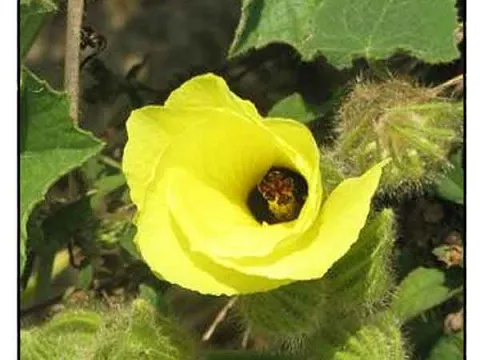
Abelmoschus crinitus
Abelmoschus crinitus
Abelmoschus crinitus is a thermophilic plant that requires a long frost-free season to reach maturity. In temperate regions, it is best to start seeds indoors in pots about six to eight weeks before the last expected frost date to ensure a strong head start.
What the section contains
Abelmoschus crinitus
The seeds have a hard seed coat, which makes germination slow or uneven. To improve success rates, farmers and gardeners often use scarification or soak seeds in warm water overnight to soften the outer layer before planting in a sterile seed-starting mix.
Once temperatures are consistently above 15°C, the seedlings can be hardened off and transplanted into their permanent outdoor locations. Choose sites that receive full sun for at least six to eight hours a day to promote vigorous growth.
Soil temperature is a crucial factor for direct sowing; it must be warm enough to support rapid growth. In tropical areas, direct sowing is possible, provided the soil is well-prepared and free from major weed competition during the early stages.
Spacing is essential for this species to allow for proper air circulation. A typical spacing distance of 40–60 cm between plants helps minimize micro-climates that could harbor pests and diseases, ensuring a healthier and more productive crop.
This crop thrives in fertile, well-draining soils rich in organic matter. Sandy loam or loam soils are ideal, as they allow for deep root penetration while maintaining the necessary moisture levels for the plant to flourish.
While Abelmoschus crinitus requires regular watering to keep the soil consistently moist, it is highly sensitive to waterlogging. Excessively damp soil can quickly lead to oxygen deprivation for the roots, resulting in stunted development.
A neutral to slightly acidic soil pH is preferred for optimal nutrient uptake. Regular soil testing and the addition of compost or balanced fertilizers can significantly enhance the yield and health of the plant throughout the growing cycle.
Temperature management is vital; the plant performs best in warm conditions with daytime temperatures ranging between 22°C and 30°C. Prolonged cold snaps can cause irreversible damage or severely retard the plant's metabolic processes.
Regular maintenance, including weeding and soil aeration around the base of the plant, will help prevent competition for nutrients and ensure the plant's resources are dedicated entirely to vegetative and reproductive growth.
Spider mites and aphids are the most common pests affecting Abelmoschus crinitus, particularly in dry and hot conditions. These insects can cause yellowing of the leaves and a general decline in plant vigor if not managed promptly.
Fungal diseases, including powdery mildew, frequently occur when humidity levels are high and airflow around the foliage is restricted. This can lead to significant aesthetic and physiological damage to the leaves and stem.
Root rot, often caused by pathogenic fungi thriving in waterlogged conditions, is a major threat. Preventive measures include ensuring proper soil drainage and avoiding over-irrigation, especially during cloudy or cool spells.
Caterpillars and other chewing insects may periodically feed on the foliage. Monitoring the underside of the leaves and applying biological controls or removing visible larvae are effective management strategies for smaller plots.
General hygiene in the cultivation area, including the removal of infected plant debris at the end of the season, is essential for reducing the inoculum density of pathogens for the subsequent growing year.
Harvesting timing depends on the specific utilization goals for the crop. If the plant is grown for its decorative features or seeds, wait until the pods have reached the desired level of maturity before picking them.
For culinary or fiber use, harvesting usually occurs when the plant parts are tender and before they become too fibrous. Regular harvesting of pods can encourage the plant to continue producing more flowers throughout the season.
Care should be taken when handling the plant, as some varieties may have fine, hair-like structures that can cause skin irritation. Wearing gloves and long sleeves is recommended during the harvest process to avoid contact.
After harvesting, the materials should be processed promptly. If seeds are the primary goal, dry the pods in a well-ventilated area away from direct sunlight until they are brittle and easy to open for extraction.
Proper storage of the harvested yield is necessary to maintain quality. Dry seeds should be kept in a cool, dark, and airtight container to preserve viability and prevent the growth of molds or infestation by storage pests.