
Galphimia brasiliensis
Galphimia brasiliensis
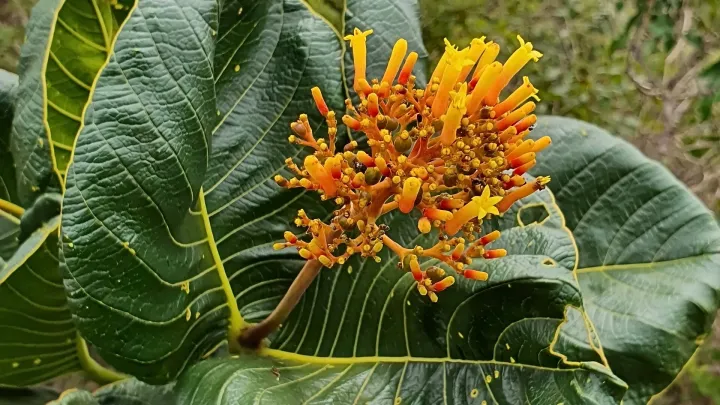
Description
Growing requirements
Galphimia brasiliensis is an evergreen ornamental shrub belonging to the Malpighiaceae family. The plant is native to the tropical regions of South America, specifically Brazil, where it thrives in warm and humid environments.
For successful growth, the plant requires bright, filtered sunlight, although it can tolerate partial shade. The optimal temperature range for the plant is between +20 to +28 degrees Celsius, as it is highly sensitive to frost and cold climates.
Soil requirements involve using loose, fertile substrates with excellent drainage and a slightly acidic to neutral pH. Waterlogging is detrimental to the root system, so ensuring proper drainage is essential for both outdoor and container cultivation.
The agronomic management of this culture involves regular but moderate watering: the substrate should be allowed to dry out slightly between waterings. During the active growing season, monthly applications of balanced fertilizers designed for flowering ornamentals are recommended.
The primary horticultural use of the plant is in landscape design and ornamental gardening. It is prized for its long-lasting, vibrant yellow panicles and its ability to be pruned into shaped hedges or decorative border plants.
Main diseases and pests
Major threats to Galphimia include fungal diseases that typically arise from poor air circulation and excessive moisture in the soil, which can compromise the root health.
Common pests affecting the plant in both controlled and open environments include spider mites and mealybugs. Effective management involves consistent monitoring and the application of appropriate systemic insecticides or acaricides when infestations are detected.