
Petalonyx thurberi
Petalonyx thurberi
Description
Growing requirements
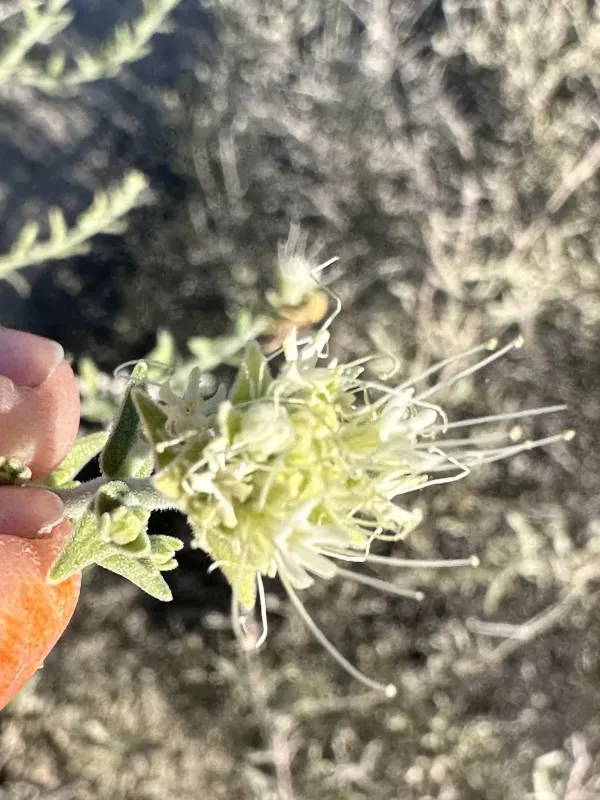
Petalonyx thurberi, commonly known as Thurber's sandpaper plant, is a perennial subshrub belonging to the Loasaceae family. It is native to the arid desert regions of the southwestern United States and northern Mexico.
The plant is anatomically adapted to survive in harsh, high-temperature environments. It possesses rigid, scabrous stems covered in stiff hairs, which help the plant retain moisture and withstand intense solar radiation in its native habitat.
For cultivation purposes, the species requires well-drained, sandy, or rocky soil conditions. It is highly intolerant of waterlogged environments, and excessive irrigation during the growth phase can lead to significant root pathogens or total crop failure.
Its climatic requirements include exposure to full sun and low atmospheric humidity. This plant does not typically function as a food crop but is increasingly recognized for its role in xeriscaping and restoring arid landscapes where traditional vegetation fails.
Successful management of this plant involves simulating the environmental stressors of the desert, ensuring that the soil substrate remains lean and aerobic throughout the entire developmental cycle of the subshrub.