
Gronovia scandens
Gronovia scandens
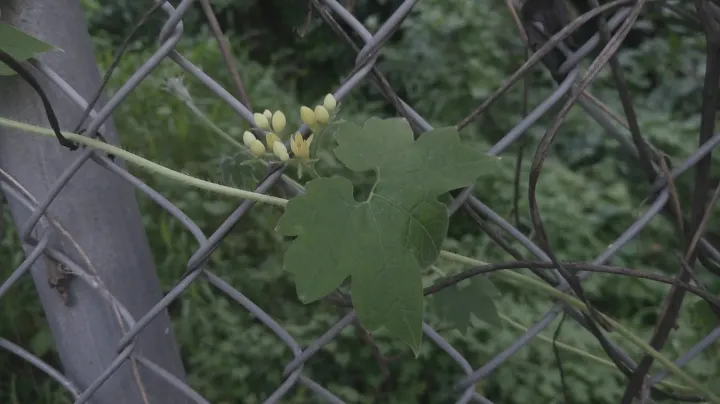
Description
Sowing dates
Gronovia scandens is typically propagated via seeds sown in a warm, protected environment. Early spring sowing is recommended to ensure the plant reaches maturity before the end of the growing season in temperate regions.
The seeds require a lightweight, well-draining potting medium to germinate successfully. Keeping the substrate consistently moist but not waterlogged is essential for the initial stages of seedling development.
Optimal germination occurs at temperatures between 20°C and 25°C. Once the first true leaves have appeared, the seedlings should be carefully handled during transplantation to avoid disturbing the fragile root system.
For large-scale cultivation, using peat-free starter plugs is recommended to facilitate easier transition to outdoor soil. Adequate spacing is crucial to prevent early competition and ensure airflow between individual plants.
In its native habitat, the plant grows vigorously following the onset of rainy seasons. Adapting the sowing time to match local climatic trends is vital for maximizing the growth potential of this vine.
Growing requirements
Belonging to the family Loasaceae, Gronovia scandens is an herbaceous vine characterized by its climbing habit. It thrives in tropical and subtropical conditions, demanding a stable temperature and high humidity.
Soil requirements involve a fertile, humus-rich composition with a neutral pH. The plant is highly sensitive to soil compaction and waterlogging, necessitating excellent drainage in both pot and field conditions.
As a climbing plant, it requires a structural support system such as trellis, netting, or natural branches. These structures allow the plant to elevate its leaves for better photosynthetic efficiency and air circulation.
Watering should be frequent but mindful of the soil moisture levels. During peak growth, the plant benefits from supplemental fertilization, preferably using high-potassium mixes to encourage structural integrity.
Exposure to full sunlight is beneficial, but shade from the harshest midday rays is recommended in extremely hot environments. Proper light management prevents leaf scorch and promotes healthy blooming patterns.
Harvesting
Harvesting strategies for Gronovia scandens depend on the specific purpose of the cultivation, whether for ornamental seed collection or botanical study. Seed pods should be harvested as soon as they show signs of natural ripening.
Hand-picking is the most effective method, as the delicate nature of the vine's stems and leaves makes mechanical harvesting difficult. Careful monitoring of the pods' color change is essential for timing the collection.
Post-harvest processing involves drying the harvested material in a well-ventilated, shaded area to prevent fungal growth on the seeds. Proper storage in cool, dry conditions is vital for maintaining seed viability.
When collecting for propagation purposes, only the healthiest and most vigorous plants should be selected. This ensures that the genetic quality of the next generation remains high.
Cleanup of the remaining biomass after the growing season should include the complete removal of the vines from support structures to minimize the carryover of potential pathogens to the next cycle.