
Caiophora lateritia
Caiophora lateritia
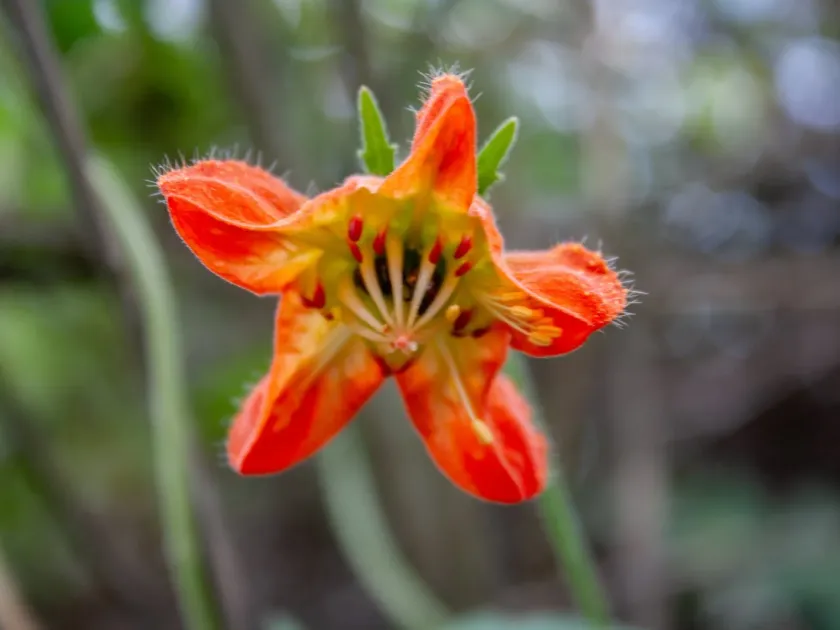
Description
Sowing dates
Sowing Caiophora lateritia seeds is typically initiated indoors during late winter or early spring to ensure a longer growing season.
The seeds should be sown in a high-quality seed-starting mix, barely covered with substrate as they require light to germinate effectively.
Maintaining a constant soil temperature of approximately 20–22 degrees Celsius is essential for optimal germination rates within the first few weeks.
Young seedlings must be provided with maximum available light to prevent them from becoming leggy and weak before their transplantation.
Hardening off the seedlings is a critical step before moving them to their permanent outdoor location once all frost risks have passed.
Growing requirements
Caiophora lateritia is an herbaceous perennial climber from the Loasaceae family, often grown as an annual in cooler temperate climates.
The plant thrives in full sun exposure, which is necessary for the development of its characteristic brick-red, intricate flowers.
It requires well-draining, humus-rich soil that remains consistently moist throughout the growing season but does not become waterlogged.
As a climbing species, it must be supported by trellises, fences, or other structures to allow its delicate, stinging-haired stems to sprawl upwards.
Regular fertilization with a balanced water-soluble fertilizer can enhance flower production throughout the peak summer months.
Main diseases and pests
Typical pests affecting this culture include spider mites and aphids, especially when grown under glass or in poor ventilation conditions.
Powdery mildew can become a significant issue during periods of high humidity and insufficient airflow around the foliage.
The plant is equipped with stinging hairs that protect it from many herbivores, yet it still requires careful monitoring for common insect outbreaks.
Using systemic insecticides or miticides, when necessary, can help maintain plant health throughout the vegetative development phase.
Proper hygiene, including the removal of infected debris and spacing plants correctly, significantly reduces the likelihood of disease transmission.