
Lindernia cleistandra
Lindernia cleistandra W. R. Barker
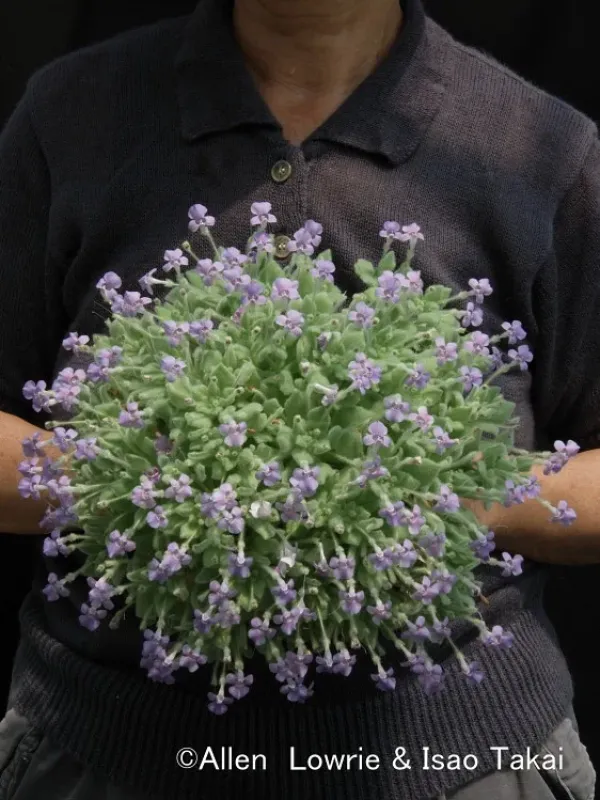
Description
Growing requirements
Lindernia cleistandra is a member of the Linderniaceae family, known for its adaptability to wet and marshy environmental conditions. It is typically found in habitats characterized by persistent soil moisture, which determines its specific requirements for agricultural management.
Successful cultivation requires nutrient-rich, moist substrates. Unlike many traditional field crops, this plant thrives in environments with high water retention capacity, making it suitable for areas where irrigation or high water tables are naturally present or maintained.
The climate requirements include moderate temperatures and high atmospheric humidity. Extreme heat or prolonged drought can significantly stress the plants, necessitating the use of specialized irrigation techniques or sheltered locations to ensure healthy vegetative development.
Botanically, the species is defined by its cleistogamous flowers, which do not open during the pollination process. This evolutionary strategy ensures reliable seed set even in environmental conditions that might inhibit insect pollinators, providing a high degree of reproductive stability.
The primary agricultural interest in this species involves its use in ecological restoration and soil stabilization projects. Due to its dense root system and moisture tolerance, it serves as an excellent ground cover for protecting water management infrastructure and preventing soil erosion.