
Sinofranchetia chinensis
Sinofranchetia chinensis
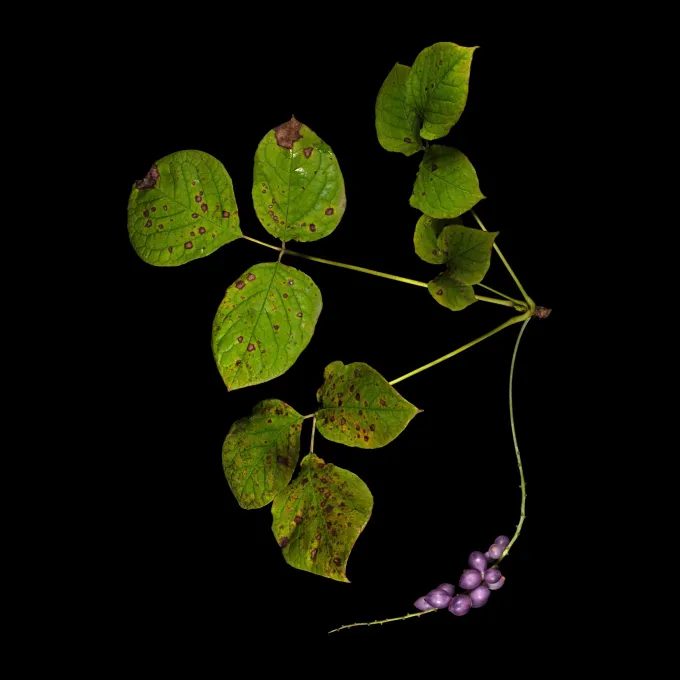
Description
Growing requirements
Sinofranchetia chinensis is a woody climber belonging to the Lardizabalaceae family. It is a monotypic genus native to the temperate mountain forests of central and western China, known for its elegant foliage and interesting fruiting habits.
The plant thrives in partial shade and requires moist, well-drained, humus-rich soil to establish properly. Providing a sturdy trellis or support structure is essential, as the vine can grow quite vigorously and reach heights of up to 10 meters.
Climate requirements include protection from harsh, drying winds and extreme heat. While generally hardy, the root system should be mulched in areas with severe frost to protect the plant during its first few years of growth.
Watering should be consistent to keep the soil evenly moist but never waterlogged. If planting in heavy soils, incorporating organic matter and providing a layer of coarse gravel will improve drainage and prevent root rot.
Cultural practices involve annual pruning in early spring to shape the plant and remove dead or weak wood. Propagation is typically achieved through seed germination, which requires cold stratification, or by semi-hardwood cuttings taken during the growing season.
Yield
Primarily cultivated for its ornamental value in landscaping and botanical collections, Sinofranchetia chinensis also produces edible fruits. These fruits are borne in large, pendulous clusters that are visually striking when mature.
The yield of fruits depends heavily on cross-pollination between different individuals, so planting multiple specimens is recommended for higher fruit set. The berries have a unique flavor profile and are considered a specialty food in their native range.
Harvesting should occur when the fruits are fully ripe and soft to the touch. They are highly perishable, making them best suited for fresh consumption soon after picking rather than long-term storage.
Beyond its culinary potential, the plant is a subject of interest for breeders seeking to develop new, hardy berry-producing vines for ornamental gardens with a dual-purpose harvest.
Consistent growth and proper nutrient management during the flowering stage ensure that the plant reaches its full potential in both aesthetic and reproductive terms.
Main diseases and pests
Sinofranchetia chinensis is susceptible to fungal infections if kept in overly humid conditions without adequate air circulation. Leaf spot and root decay are common issues if drainage is insufficient.
Common garden pests such as aphids and spider mites can attack the new growth, particularly in dry environments. Monitoring the foliage and using appropriate horticultural oils or insecticidal soaps can manage these populations effectively.
Maintaining a clean garden environment by removing leaf litter prevents the overwintering of pathogens. Good airflow within the canopy is the most effective preventative measure against widespread fungal issues.
Root-knot nematodes can occasionally pose a threat in lighter soils, so it is vital to source healthy stock and maintain soil vitality through organic amendments.
- Thinning out dense growth for better airflow.
- Monitoring for pest activity during the spring flush.
- Providing adequate mulch to maintain stable root temperature.