
Sargentodoxa cuneata
Sargentodoxa cuneata
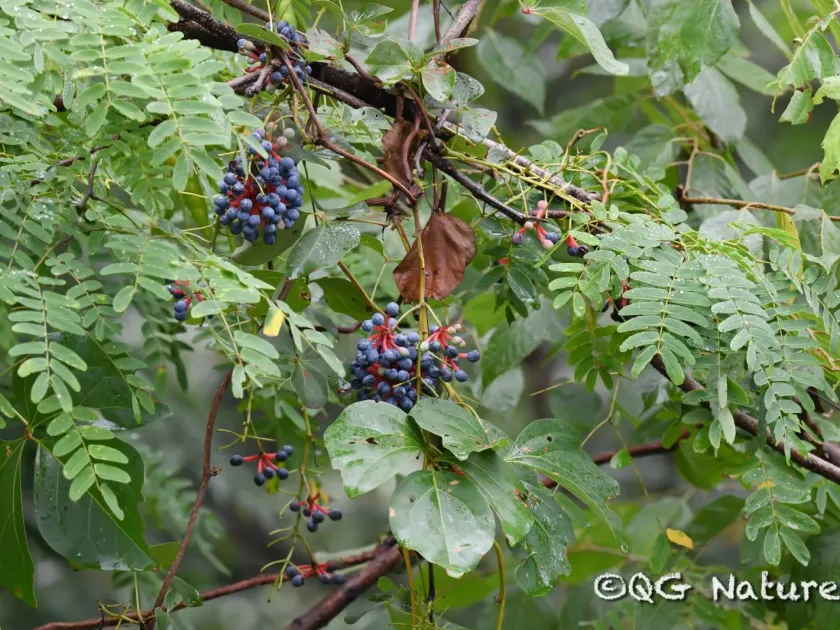
Description
Sowing dates
Sargentodoxa cuneata is a perennial woody climber belonging to the Lardizabalaceae family, known for its unique botanical profile. In agricultural practice, it is primarily propagated vegetatively, utilizing cuttings to ensure the uniform growth and preservation of the parent plant's characteristics.
When starting from seeds, stratification is essential to break dormancy and improve germination rates. Seeds are typically sown in early spring in well-prepared, nutrient-rich soil within a protected environment to ensure success.
Transplanting young plants into the field should occur after all risks of frost have passed. Providing robust vertical supports, such as trellises or arbors, is critical as the plant is a vigorous climber that thrives when allowed to grow vertically.
Soil preparation involves creating a loose, well-draining substrate enriched with compost. Proper spacing between plants is required to allow for adequate airflow, which prevents fungal issues and promotes uniform growth across the canopy.
Regular maintenance during the growth phase includes training the new shoots onto the supporting structure. This systematic approach facilitates easier harvesting and improves the overall health of the vines by exposing foliage to light.
Growing requirements
This crop prefers a humid, subtropical climate with mild winters. Successful cultivation requires a balance of warmth and moisture, mimicking the natural conditions of its native habitat in Southeast Asia and China.
Soil requirements focus on fertility and drainage. The plant does not tolerate waterlogged soils, which can lead to root rot; thus, choosing sites with loamy, well-aerated soil is a key management decision for farmers.
Exposure to dappled light is ideal for the crop. While it needs significant amounts of energy from the sun to grow, excessive direct heat can stress the leaves, necessitating the use of natural or artificial shade in hotter regions.
Moisture management is paramount during the peak growing season. Consistent irrigation schedules help maintain plant turgor and support the rapid production of stem biomass, which is the primary commercial interest of this species.
Fertilization programs should be balanced, focusing on nitrogen during early growth stages to stimulate vine extension and phosphorus or potassium later to strengthen the woody tissues before dormancy.
Main diseases and pests
Sargentodoxa cuneata can be susceptible to common vine pests such as aphids and spider mites, particularly when grown in conditions with low airflow or high humidity stress. Monitoring programs are essential to detect infestations early.
Fungal pathogens, especially those causing stem and root rot, represent the most significant threat to yields. Maintaining good drainage and proper spacing between plants helps significantly in managing these risks.
In humid environments, leaf spot diseases can affect the photosynthetic capacity of the plant. Preventive treatments using organic fungicides or neem-based solutions can be effective for sustainable management.
Weed management is critical during the establishment phase. Keeping the base of the plant free from competitive vegetation allows the climber to allocate all its energy toward building its woody stems.
Implementing integrated pest management (IPM) strategies, including the use of beneficial insects and resistant cultivars, is recommended to ensure high-quality production without heavy reliance on synthetic pesticides.
Harvesting
The primary part of the plant used for commercial purposes is the stem, which contains bioactive compounds highly valued in traditional medicine for their anti-inflammatory and analgesic properties.
Harvesting is typically performed in late autumn. This is the stage when the stems have reached their full maturity and the concentration of secondary metabolites is at its peak, ensuring the quality of the raw material.
The stems are carefully cut and harvested, then cleared of leaves and soil. The wood is processed by cutting it into manageable sections, which are then prepared for the drying process to prevent microbial contamination.
Drying is conducted in well-ventilated, shaded areas. Proper airflow is vital to remove moisture from the woody stems while preserving the internal components that define the plant's medicinal value.
Once dried, the product is stored in cool, dry conditions away from direct sunlight. Proper storage practices are necessary to maintain the integrity of the herbal material until it reaches the processing facility.