
Costa Rican Skullcap
Scutellaria costaricana H. Wendl.
Description
Growing requirements
The Costa Rican Skullcap (Scutellaria costaricana) is an evergreen perennial plant belonging to the Lamiaceae family. Native to the tropical rainforests of Central America, it is highly valued for its striking appearance and vivid floral displays.
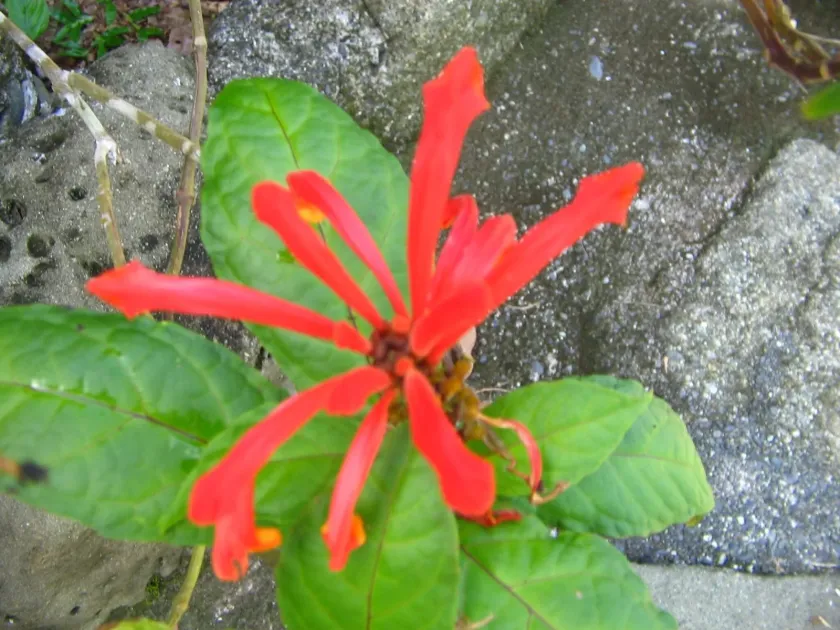
Botanically, this species grows as an erect subshrub reaching heights of 30 to 60 cm. It features dark green, ovate-shaped leaves that provide a lush backdrop for its dramatic, tubular flowers arranged in dense terminal racemes.
The flowers of the Scutellaria costaricana are characterized by brilliant shades of orange and red. These vibrant blooms make the plant a popular choice for conservatories, greenhouses, and specialized indoor plant collections worldwide.
In terms of cultivation, this plant requires a consistent tropical environment. It thrives in high-humidity settings with temperatures ideally ranging between 20°C and 25°C. Exposure to cold drafts or freezing temperatures can be fatal.
The substrate must be well-draining, lightweight, and rich in organic matter. A mixture containing peat, perlite, and high-quality potting soil is recommended to prevent waterlogging, which can cause significant stress to the root system.
Main diseases and pests
Common pests affecting this species include spider mites, which thrive in dry conditions. These small arachnids can cause yellowing and webbing on the foliage, eventually weakening the entire plant if left untreated.
Mealybugs are another potential threat, often hiding in the leaf axils or on the undersides of the leaves. Monitoring the plants regularly is essential to ensure early detection and swift intervention with horticultural soaps or neem oil.
Fungal diseases, particularly root rot, typically occur due to excessive moisture and poor soil aeration. To prevent this, it is crucial to allow the surface of the soil to dry slightly before performing the next watering session.
Proper air circulation is critical to avoid the onset of powdery mildew, which can coat the leaves in a white dusty film. Ensuring that the plant has enough space and good airflow can significantly mitigate these risks.
Maintenance should include removing dead or damaged leaves promptly to prevent the spread of pathogens. Keeping the foliage clean and maintaining stable environmental conditions ensures a robust and healthy growth habit for the skullcap.