
Indian skullcap
Scutellaria indica L.
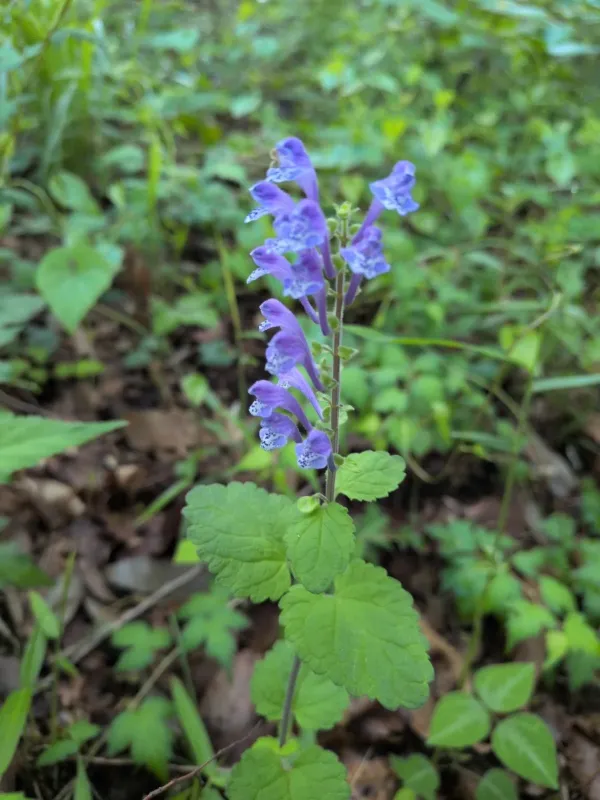
Description
Sowing dates
Indian skullcap (Scutellaria indica L.) is a perennial flowering herb belonging to the Lamiaceae family, primarily valued for its biological properties.
Seeds are typically sown in early spring once the threat of frost has passed, ensuring the soil temperature is stable for germination.
It is recommended to use fresh seeds with good viability, as older seed stocks may suffer from a significantly lower germination rate.
The planting depth should be shallow, approximately 1 centimeter, as deep burial significantly hinders the emergence of seedlings.
For large-scale cultivation, drilling in rows with 40-50 cm spacing is preferred to facilitate mechanical weeding and nutrient management.
Growing requirements
The plant thrives in well-drained, sandy-loam soils that are rich in organic matter and maintain a slightly acidic to neutral pH level.
Full sun exposure is ideal for maximum growth, although partial shade can be beneficial in climates with extremely high summer temperatures.
Consistent soil moisture is crucial during the early stages of development, though mature plants demonstrate moderate drought tolerance.
Nutrient management involves applying balanced fertilizers, emphasizing potassium to strengthen stems and enhance overall plant vigor.
Proper airflow is essential to prevent moisture accumulation at the base of the plant, which is critical for avoiding fungal diseases.
Main diseases and pests
Root rot is the most significant threat to the crop, caused primarily by poor soil drainage and waterlogging conditions in the field.
Pests such as aphids and spider mites can colonize the foliage during hot, dry spells, necessitating regular monitoring of the crop.
Powdery mildew may occur in poorly ventilated areas with high humidity, appearing as a white dusting on the leaf surfaces.
Integrated pest management strategies are recommended, focusing on maintaining field hygiene and promoting beneficial insect populations.
Chemical intervention should be strictly limited to prevent contamination of the harvested herbal product, prioritizing biological control methods.
Harvesting
Harvesting the aerial parts should occur at the peak of the flowering stage when the concentration of secondary metabolites is highest.
Plants are cut manually or mechanically, leaving enough stem length to protect the crown and allow for potential regrowth if desired.
Post-harvest processing involves rapid drying in well-ventilated, shaded facilities to preserve the plant's essential chemical profile.
Temperature control during the drying process is vital; it should ideally not exceed 40 degrees Celsius to avoid the degradation of volatile compounds.
Dried product is then cleaned, graded for quality, and stored in dry, cool conditions to maintain its therapeutic efficacy for further industrial use.