
Large-flowered self-heal
Prunella grandiflora (L.) Turra
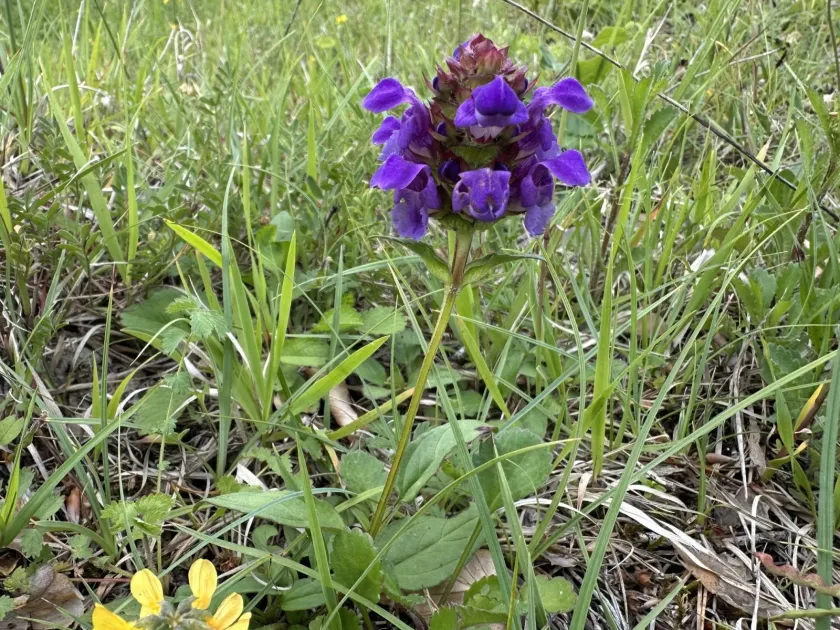
Description
Sowing dates
The sowing of Prunella grandiflora is best performed in the autumn, as the seeds require a period of cold stratification to break dormancy. Spring sowing is possible only if the seeds have been pre-chilled in a refrigerator for approximately 30 to 45 days.
When starting indoors, seeds should be sown in trays in March, keeping the temperature between 18 and 20 degrees Celsius. Once the seedlings develop two sets of true leaves, they should be pricked out into individual pots to encourage a healthy root system.
Transplanting to the permanent location should be scheduled for late May, after the danger of frost has passed. Planting density should allow for the plant's natural spread, with a suggested spacing of 30 to 40 centimeters between individual plants.
Beyond seed propagation, the large-flowered self-heal is easily propagated through division of the root clumps. This method is most successful in early spring or late August, ensuring quick establishment in the new location.
For groundcover purposes, planting density can be increased to 8–10 plants per square meter. This high density helps to create a dense mat of vegetation that effectively suppresses invasive weeds while providing ecological benefits.
Growing requirements
Prunella grandiflora belongs to the Lamiaceae family and is a robust perennial herb featuring horizontal rhizomes. It is naturally adapted to meadows, forest edges, and light woodland areas, indicating a preference for balanced environmental conditions.
The plant thrives in sunny or semi-shaded areas with moderately moist, fertile soils. While it can adapt to poor loam, it performs best in loose, well-draining soil with a neutral or slightly acidic pH level.
Consistent moisture is crucial during the active growing season, particularly during the flowering phase. However, drainage is essential, as waterlogged conditions can lead to root rot and other physiological stressors.
This species is highly cold-hardy, making it suitable for regions with harsh winters without the need for additional protective covering. It maintains viability even when temperatures drop significantly below freezing.
For optimal health and aesthetic value, applying balanced mineral fertilizers in the early spring is recommended. Adding organic matter to the soil structure helps improve water retention and provides slow-release nutrients for the plant.
Main diseases and pests
Prunella grandiflora is generally resistant to most common diseases, which makes it an excellent choice for low-maintenance gardening. However, improper environmental management can invite occasional pathogen outbreaks.
Powdery mildew may occur if the plants are spaced too closely, which restricts airflow. Management strategies include improving ventilation and applying certified biological fungicides when early signs of the infection appear.
Insects rarely cause major damage, although aphid colonies may develop during particularly hot and dry weather. If an infestation is detected, insecticidal soap or mild contact insecticides are usually sufficient for control.
Root rot is typically linked to poor drainage or chronic over-irrigation. Prevention involves ensuring that the soil structure is friable and that irrigation schedules are aligned with the actual moisture needs of the plant.
Slugs and snails may occasionally feed on young foliage during wet spring seasons. Protective measures, such as mulching with coarse materials like gravel or using organic slug barriers, are effective ways to mitigate this risk.
Harvesting
Harvesting the aerial parts of the plant for medicinal or decorative use is best performed during the peak flowering period, which usually occurs from June to August. At this time, the concentration of active compounds is at its highest.
Stems should be cut with sharp shears 5 to 10 centimeters above the soil line to allow for secondary growth. Drying should take place in a shaded, well-ventilated area to ensure the preservation of essential oils and colors.
The plant is highly valued as a honey plant, attracting bees and beneficial pollinators to the farm. Integrating self-heal into larger agricultural landscapes can significantly improve the foraging conditions for local apiaries.
For aesthetic maintenance, deadheading spent flowers is recommended to prevent self-seeding and to encourage the plant to produce a second flush of blooms later in the season.
While the roots are not typically harvested on a commercial scale, the process of plant division for propagation serves as a form of maintenance that keeps the plant population vigorous and healthy over several years.