
Self-heal
Prunella vulgaris L.
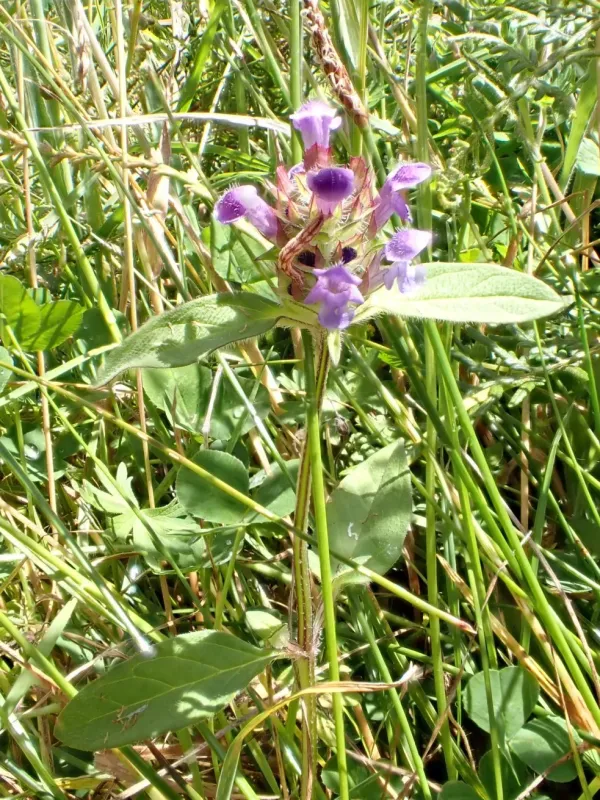
Description
Sowing dates
The sowing of self-heal (Prunella vulgaris L.), a member of the Lamiaceae family, is primarily carried out in the spring when soil temperatures reach 10-12 degrees Celsius. Alternatively, winter sowing in late October is acceptable to facilitate natural seed stratification.
The seeds of this crop are small, so they should be sown at a depth of no more than 0.5-1 centimeter. An optimal planting scheme involves row spacing of 30-45 centimeters, which facilitates future maintenance and weeding.
When grown from transplants, seeds should be started in trays or seedling flats 40-50 days before the intended date of planting in open ground. This practice allows for earlier vegetative growth and better survival rates.
The crop demonstrates high germination energy under sufficient moisture conditions. When sowing directly, it is important to ensure good seed-to-soil contact by lightly pressing the surface after covering the seeds.
Seedlings typically emerge within 14-20 days depending on the ambient temperature. Maintaining moisture in the top layer of soil during this initial period is crucial for a successful crop start.
Growing requirements
Self-heal has moderate soil fertility requirements but prefers well-drained loams with a neutral to slightly acidic pH. The crop is highly adaptable and can grow in both full sun and partial shade locations.
It is a moisture-loving plant, so regular irrigation is essential for high yield, particularly during active growth and flowering phases. Waterlogging should be avoided as it can lead to root system rot.
The optimal climate for cultivation is the temperate zone with sufficient rainfall. In southern regions, supplementary irrigation is required, as the plant is sensitive to prolonged drought and excessive soil heat.
The crop responds well to organic fertilizers, such as compost or manure, applied during primary soil preparation. Nitrogen-rich mineral fertilizers at the start of the growing season stimulate leafy biomass production.
Maintenance includes regular cultivation between rows and weed control. During the initial stages, weeds can suppress the crop, but as the self-heal spreads, it becomes highly competitive.
Yield
The yield of aerial parts of self-heal depends heavily on agricultural practices and moisture availability. On average, with proper technology, one can expect a harvest of 1.5–2.5 tons of dry biomass per hectare.
Maximum yield is observed in the second and third years of the plantation, as the plants reach full maturity. With intensive management, yields can be further increased by implementing multiple cuts per season.
To maximize the yield of biologically active compounds, harvest should be timed with the peak flowering phase. This is when the concentration of tannins, flavonoids, and organic acids is at its highest.
Factors that decrease yield include premature lodging of stems and pathogen outbreaks during periods of excessive humidity. Maintaining optimal plant density is key to consistent productivity.
Self-heal is also productive in terms of seed output, which allows growers to reserve portions of the crop for seed saving, reproduction, or selling as propagation material.
Main diseases and pests
Self-heal generally has a strong immune system, but poor agricultural practices can lead to powdery mildew. The disease appears as a white coating on the leaves, which significantly reduces the quality of the raw material.
In waterlogged soil conditions, the plant may suffer from root rot caused by soil-borne fungi. Preventive measures include selecting well-drained sites and strictly following crop rotation practices.
Among pests, leaf-eating insects and aphids pose the greatest threat, often damaging young shoots in early spring. Biological control methods are recommended to manage these pests without harsh chemicals.
Slugs and snails can cause damage to young plants during damp, cool springs. The use of mulch and protective traps helps minimize damage without the need for synthetic pesticides.
A crucial aspect of disease prevention is the timely removal of plant debris in the fall, which prevents the buildup of pathogens in the soil and reduces the risk of disease in the following season.
Harvesting
The harvest of self-heal is conducted during the peak flowering period, when the plant is most concentrated with beneficial compounds. This usually occurs between June and August, depending on the growing zone.
The herb is cut 5-10 centimeters above the soil level using mechanical or manual tools. It is important not to damage the root crowns to ensure vigorous regrowth for the following season.
Collected raw materials must be moved to the drying area immediately to prevent overheating and color degradation. The optimal drying temperature is 35-40 degrees Celsius in well-ventilated dryers.
When air-drying, plants should be spread in thin layers in the shade, under a canopy, or in a well-ventilated room. Direct sunlight causes pigment degradation and reduces the quality of the final product.
Finished dried raw material should be stored in airtight containers in a cool, dark, and dry place. Under proper conditions, self-heal retains its medicinal properties for up to 2 years.