
Scutellaria utriculata
Scutellaria utriculata
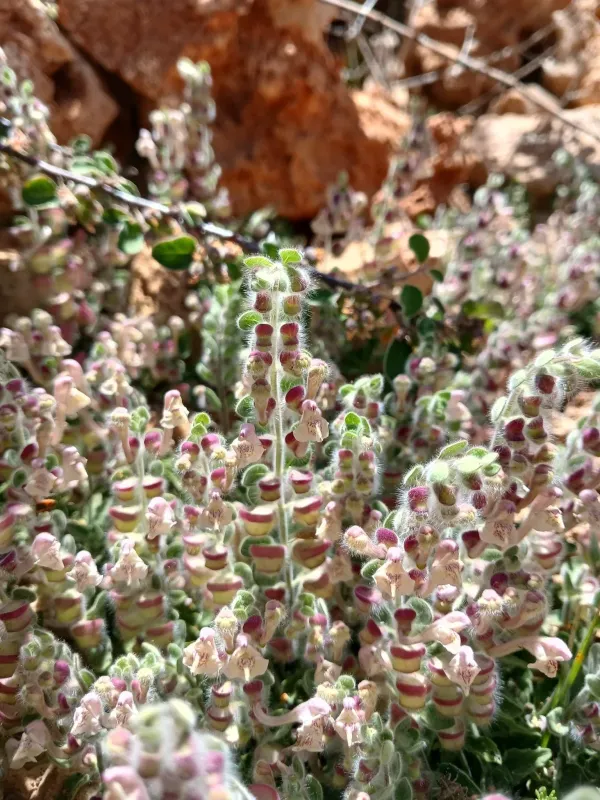
Description
Sowing dates
Sowing of Scutellaria utriculata is best performed in early spring once soil temperatures reach +10...+12°C. In temperate climates, sowing can also occur in late autumn, allowing the seeds to benefit from natural stratification over the winter.
For uniform germination, seeds should be sown at a shallow depth of 1–2 centimeters. Preparing the seedbed by clearing debris and ensuring fine soil texture is essential for these relatively small seeds to establish root contact.
Row spacing should be maintained at 45–60 centimeters to facilitate efficient mechanical weeding and ensure optimal air circulation. Proper spacing prevents overcrowding, which is vital for the development of healthy, medicinal-grade biomass.
Transplanting seedlings started in greenhouse conditions is an effective alternative. Planting should take place once the risk of frost has passed and the young plants have reached the 3-4 true leaf stage.
Consistency in moisture during the emergence phase is critical. While the plant is drought-tolerant once established, the germination stage requires a moist soil environment to trigger the physiological processes of the seed.
Growing requirements
Scutellaria utriculata, belonging to the Lamiaceae family, thrives in sunny locations with full sun exposure. Adequate light is a primary driver for the synthesis of secondary metabolites, which are crucial for the plant's medicinal value.
The ideal soil profile is light, well-draining, and sandy or loamy. The species does not tolerate waterlogged conditions, making well-drained slopes or raised beds the most appropriate choice for field cultivation.
The plant is known for its hardiness in temperate zones. It survives winter well, although in regions with extremely low temperatures and lack of snow, covering the base with a light layer of mulch can help protect the roots.
Watering requirements are moderate. Once the plant is established, it can withstand dry spells, making it a reliable crop for regions with fluctuating rainfall patterns. Over-irrigation should be avoided to prevent root diseases.
Nutrient management focuses on balanced fertilization. High nitrogen levels should be avoided, as this promotes excessive vegetative growth at the expense of the concentration of essential active compounds within the plant tissues.
Main diseases and pests
Aphids are the most common pest observed in Scutellaria plantations. Regular field scouting is necessary to detect early infestations on the tender shoots and apply targeted, organic-compliant interventions if needed.
Powdery mildew is a common fungal threat, typically appearing in seasons with high humidity or poor airflow. Ensuring sufficient space between plants significantly reduces the risk of fungal proliferation.
Root rot, often caused by poor drainage or overwatering, poses a significant risk to plant longevity. Infected plants should be identified and removed immediately, including the surrounding soil, to prevent the pathogen from spreading.
Leaf-eating insects may occasionally damage the foliage, reducing the overall leaf area available for photosynthesis. Integrated pest management, including crop rotation, remains the most effective long-term preventative measure.
Hygiene in the field is paramount. Removing plant residues and managing weeds effectively minimizes the habitats for pests and reduces the potential for disease cycles to establish themselves within the crop field.
Harvesting
The harvest of the aerial parts of Scutellaria utriculata should coincide with the peak flowering stage. At this phase, the plant exhibits the highest concentration of flavonoids and other bioactive compounds.
Harvesting is performed by cutting the stems approximately 10–15 centimeters above the soil surface. Using clean, sharp tools is essential to minimize plant stress and protect the crown for subsequent regrowth in perennial cycles.
Immediate post-harvest processing is required to preserve the quality of the raw material. The cut biomass should be kept out of direct sunlight and moved promptly to a drying facility to stop enzymatic degradation.
Drying is conducted in well-ventilated, shaded environments at temperatures not exceeding +40°C. Controlled drying prevents the loss of volatile compounds and ensures a consistent product for pharmaceutical or cosmetic applications.
Final storage must be in airtight containers kept in a cool, dry place. Proper packaging prevents moisture uptake, which can lead to mold formation and the degradation of the plant's valuable medicinal properties over time.