
Moluccella laevis
Moluccella laevis L.
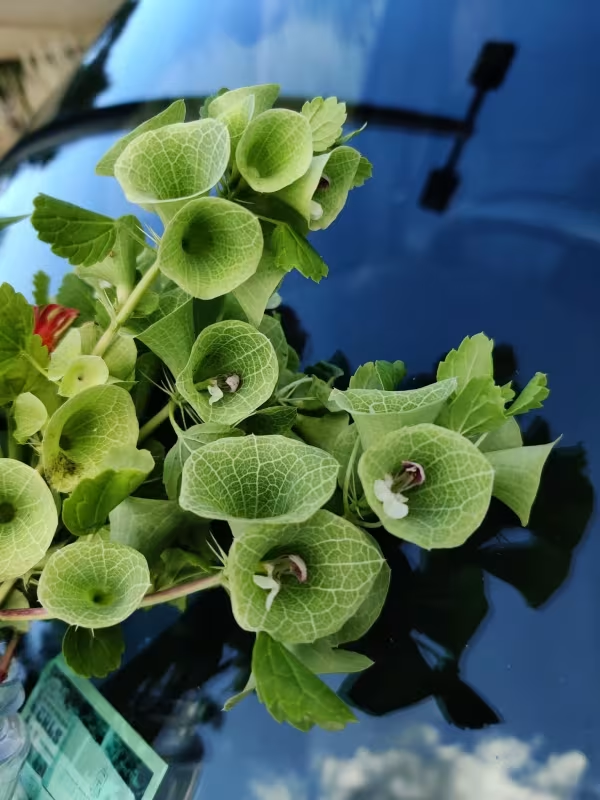
Description
Sowing dates
Moluccella laevis L., commonly known as Bells of Ireland, is an annual ornamental plant belonging to the Lamiaceae family. In temperate climates, seeds are sown indoors in March or April using a nutrient-rich substrate.
For direct seeding into the garden, wait until the danger of frost has passed, typically in May. Seeds often require stratification or a period of cold treatment to improve germination rates.
The seeds should be sown at a depth of no more than 0.5-1 cm, as they require light for successful germination. It is crucial to maintain consistent soil moisture until seedlings appear, which usually takes two to three weeks.
When starting indoors, it is important to transplant seedlings into individual pots, as the plant's root system is sensitive to disturbance. Plant out into the garden with a spacing of 30-40 cm between individual plants.
This crop is highly light-demanding, so select a location with full sun for sowing. Inadequate light levels will cause the stems to become leggy and lead to a significant loss of ornamental appeal.
Growing requirements
Moluccella prefers fertile, well-draining, loamy soils with a neutral pH. It is essential to avoid waterlogged conditions, as the plant is susceptible to root rot if the soil remains constantly saturated.
While the plant adapts to various climates, it performs best in warm and sunny environments. During hot spells, regular watering is necessary, although the plant has a moderate tolerance for drought once established.
Apply balanced mineral fertilizers during the active growing season once or twice a month. Excess nitrogen may promote vegetative growth at the expense of developing the iconic bell-shaped calyces.
Providing support is critical, as stems reach 60-90 cm in height and can fall over in high winds. Regular weeding and surface cultivation around the base of the plants will support better root development.
The crop requires protection from strong, cold winds, making locations near southern walls or sheltered garden beds ideal. With proper maintenance, the flowering season lasts from July through September.
Main diseases and pests
Fungal diseases, particularly root rot, pose the greatest threat to Moluccella, usually caused by overwatering. Preventive care involves strict adherence to irrigation schedules and ensuring excellent soil drainage.
Aphids and spider mites are the most common pests, as they feed on the sap of young leaves. Control these populations using appropriate insecticides or organic methods like soap-based sprays.
White mold (Sclerotinia) can be an issue, especially in crowded plantings with poor air circulation. Remove and dispose of infected plants immediately to prevent the spread of the pathogen to healthy ones.
Slugs and snails may damage seedlings during wet weather by eating the foliage. Mulching with coarse materials or using physical barriers can protect the young plants from these common garden pests.
If powdery mildew symptoms appear on the leaves, apply systemic fungicides. Regular monitoring of the foliage allows for early intervention, ensuring the plants remain healthy throughout the season.
Harvesting
The primary use of Moluccella is for cut flowers in bouquets and arrangements. Harvest the stems when the bell-shaped calyces are fully developed and the lower true flowers begin to open.
To extend vase life, cut stems early in the morning when the plants are well-hydrated. Remove any lower leaves that might sit below the waterline to prevent bacterial decay in the vase water.
Bells of Ireland are excellent for drying; hang them upside down in a dark, well-ventilated area. In this form, they retain their distinct light-green color for a long period.
When harvesting seeds, wait for the flower spikes to turn yellow and dry naturally on the plant. Allow seeds to cure in a dry room, clean them of debris, and store in paper bags in a cool place.
In landscaping, this plant is favored for its unique shell-like appearance, making it a standout feature in mixed borders and Mediterranean-style gardens.