
Bastard balm
Melittis melissophyllum L.
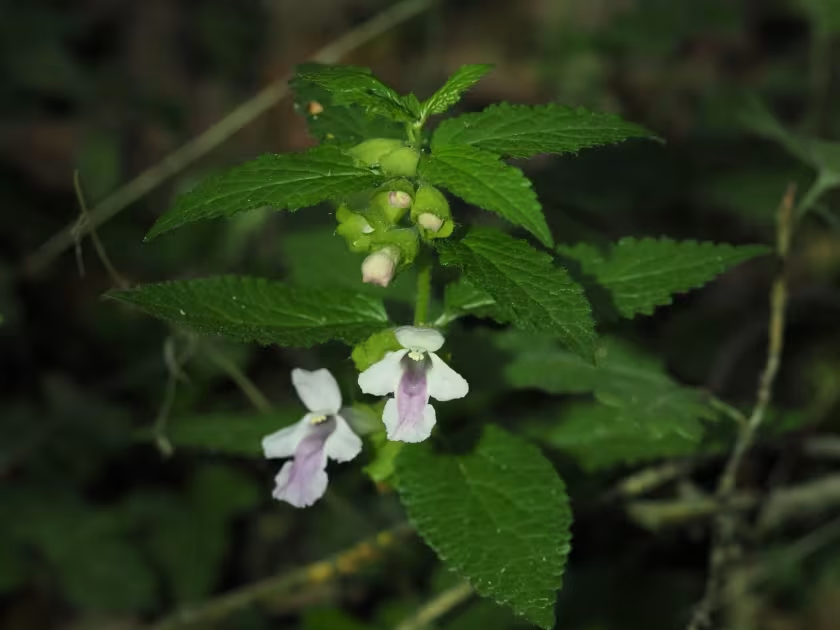
Description
Sowing dates
Melittis melissophyllum, commonly known as bastard balm, belongs to the Lamiaceae family. It is a perennial herbaceous plant valued in horticulture for its aromatic leaves and its role as a significant nectar source for pollinators.
Propagation is most commonly achieved through seed sowing or rhizome division. Seeds require a period of cold stratification to break dormancy; therefore, sowing in late autumn allows the seeds to naturally overwinter and germinate in spring.
For indoor propagation, seeds can be sown in late winter in a well-drained medium. Maintaining cool temperatures during the germination phase helps ensure high viability and uniform seedling development before transplanting.
Rhizome division is best performed in early spring or autumn when the plant is not in its active blooming phase. This method ensures the production of clones that are identical to the parent plant, allowing for consistent crop quality.
Spacing is essential for the plant's health. Plants should be placed approximately 35 to 45 centimeters apart to provide sufficient air circulation, which is critical for preventing fungal diseases in the dense foliage of the Lamiaceae family.
Growing requirements
This species naturally thrives in shaded or semi-shaded environments, often found in woodland margins. Intense, direct sunlight should be avoided to prevent leaf scorching and to maintain the volatile oils that give the plant its characteristic aroma.
The soil should be rich in organic matter and possess excellent drainage capabilities. While it enjoys moist conditions, it is sensitive to waterlogged soils, which can lead to root system decay and poor plant vigor.
Ideally, the soil pH should be slightly acidic to neutral. Incorporating leaf mold or well-rotted compost into the planting site mimics its natural forest floor habitat and provides essential nutrients for lush growth.
The plant is relatively hardy but benefits from a layer of mulch in regions with harsh winters. This protects the delicate crown and roots from severe frost cycles while helping to retain soil moisture during the growing season.
Consistent, moderate moisture is key during the establishment phase. Although the plant is somewhat drought-tolerant once mature, regular irrigation during dry spells ensures a higher yield of aromatic foliage and flowers.
Yield
Bastard balm is cultivated primarily for its aromatic foliage, which contains high levels of coumarin, and for its contribution to honey production. It is highly attractive to bees, making it a valuable addition to commercial apiary settings.
The harvest of the leaves for culinary or medicinal use should occur just before or at the beginning of the flowering period. This is when the concentration of essential oils is at its peak, providing the highest quality product.
Proper harvesting techniques are vital for the plant's longevity. Removing only the upper portions of the stems encourages lateral branching, which increases the total biomass yield for subsequent harvests within the same year.
Once dried, the leaves are used in various herbal formulations. The drying process must take place in a dark, well-ventilated area to prevent degradation of the volatile aromatic compounds by heat or ultraviolet light.
With proper maintenance, a plantation can remain productive for many years. Regular soil enrichment and periodic division of mature clumps keep the population healthy and maximize the overall yield potential of the area.
Main diseases and pests
Powdery mildew is the most common fungal issue, particularly in areas with high humidity and poor air circulation. Selecting planting sites with good wind movement and ensuring adequate spacing significantly reduces the risk of infection.
Aphids can occasionally colonize the soft, new shoots of the plant. If an infestation occurs, it should be managed using organic insecticidal soaps or biological controls to protect the nectar-seeking insects that frequent the flowers.
Root rot is almost exclusively associated with improper soil drainage. Ensuring that the planting site has been properly prepared with grit or organic matter can prevent this issue and promote a healthy, resilient root system.
Slugs and snails may feed on the young, tender foliage during damp spring weather. Implementing physical barriers, such as copper tape or crushed eggshells around the base of the plant, can effectively deter these pests.
Maintaining plant vigor through balanced nutrition is the best defense against diseases. Over-fertilization with nitrogen should be avoided, as it produces overly succulent growth that is more susceptible to both pests and fungal pathogens.