
Lallemantia iberica
Lallemantia iberica (M. Bieb.) Fisch. & C. A. Mey.
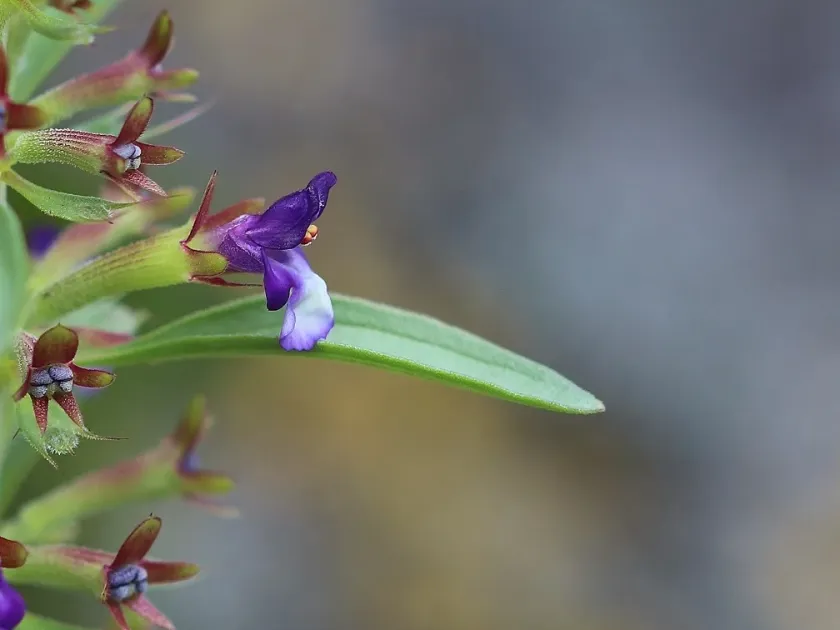
Description
Sowing dates
Lallemantia iberica is an early spring crop, and sowing should be conducted as soon as the soil reaches physical maturity and can be worked effectively.
The optimal planting time corresponds with the sowing period of other small grains, when soil temperatures reach +3°C to +5°C at planting depth.
This crop is remarkably cold-hardy, with young seedlings capable of enduring short-term frosts down to -8°C without significant damage to the population.
Delayed planting is strongly discouraged as it extends the vegetative period, increases exposure to pests, and reduces final seed yields.
The standard seeding rate ranges from 8 to 12 kilograms per hectare, using a row spacing of approximately 15 centimeters for even field distribution.
Growing requirements
Belonging to the Lamiaceae family, Lallemantia iberica is widely recognized for the high-quality drying oil extracted from its seeds.
The plant thrives best on fertile chernozem soils but is adaptable to various soil types, provided there is adequate aeration and neutral acidity.
Being a heliophilic plant, it requires full sunlight throughout its development cycle; shading from weeds or overcrowding significantly reduces photosynthesis.
It exhibits excellent drought tolerance, making it a highly viable crop for arid and semi-arid regions where water resources are often limited.
Crop rotation management is essential, and the plant performs exceptionally well when grown following cereal crops in a balanced rotation system.
Yield
Under optimal management and favorable weather conditions, farmers can expect seed yields ranging from 1.0 to 1.5 metric tons per hectare.
The seeds contain a high concentration of oil (up to 35%), which is highly valued in the industry for its rapid drying properties.
Beyond oil production, the leftover meal is a valuable byproduct that serves as a protein-rich supplement in livestock feed formulations.
Maintaining an optimal plant density of approximately 450-500 plants per square meter is critical for achieving the highest economic potential.
Yield stability is one of the crop's major advantages, allowing for consistent production across diverse environmental conditions and seasonal fluctuations.
Main diseases and pests
Young seedlings are particularly vulnerable to flea beetles, which can cause significant damage during the early establishment phase of the crop.
Fusarium wilt represents the most common pathological threat, which can lead to vascular blockage and premature plant death in affected areas.
High humidity during the flowering and seed-set stages may promote fungal decay, which adversely affects both seed quality and total production yield.
Integrated pest management, including seed treatment and crop rotation, is essential for minimizing the impact of these common field threats.
Monitoring fields for pest pressure and disease symptoms during the vegetative stage is necessary for timely and effective chemical intervention.
Harvesting
The harvesting process involves direct combining once the seeds reach physiological maturity and the plants turn a characteristic brownish-yellow color.
Timing is crucial, as delayed harvesting often leads to seed shattering, which results in significant grain loss during the cutting and threshing process.
The target seed moisture content at the time of harvest should be below 14% to ensure proper storage stability and prevent spoilage in silos.
Post-harvest processing includes cleaning and drying the seeds to remove foreign materials, ensuring the product meets industrial quality standards.
Careful adjustment of combine settings is necessary to reduce mechanical injury to the seeds and to maintain the integrity of the oil content.