
Glechon ciliata
Glechon ciliata
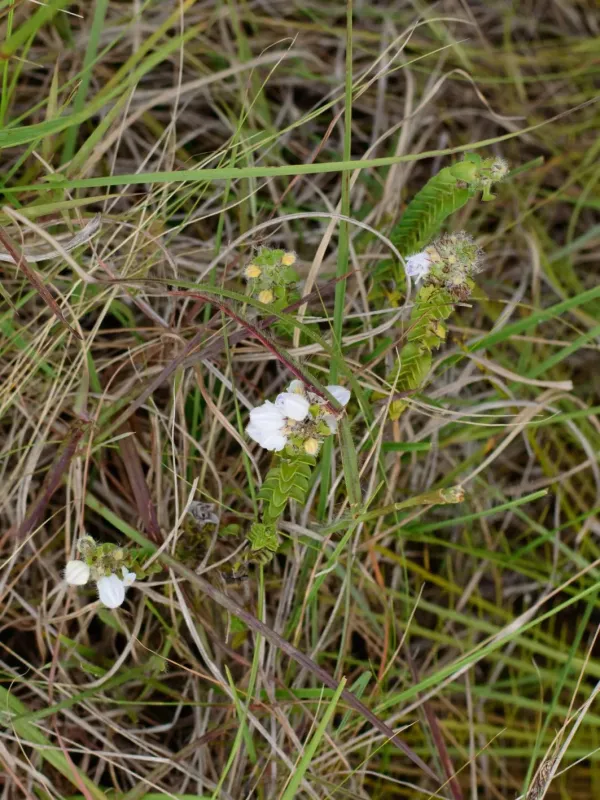
Description
Growing requirements
Glechon ciliata is a perennial subshrub belonging to the Lamiaceae family. This species is native to South America, where it thrives in the subtropical climates of Brazil, Argentina, and Uruguay as part of the regional biodiversity.
The plant requires well-drained, fertile soil with a slightly acidic to neutral pH level. It performs best in sunny locations sheltered from harsh winds, which can damage its delicate foliage and stems during the growing season.
Adequate water supply is essential during the active vegetative stage, although the plant shows moderate drought tolerance once established. Keeping the soil consistently moist but not waterlogged is the key to healthy development.
The optimal temperature for growth ranges between 20 and 25 degrees Celsius. As a native of subtropical regions, Glechon ciliata is sensitive to frost and requires protection or indoor cultivation in cooler climates.
Agricultural management involves regular weeding and loosening of the topsoil to enhance root aeration. Due to its essential oil content, the plant generally exhibits good resistance to common pests, making it suitable for organic cultivation practices.
Harvesting
The primary economic use of Glechon ciliata revolves around the extraction of essential oils, which are highly valued in the fragrance and pharmaceutical industries. Its aromatic profile is unique and distinguishes it from other Lamiaceae members.
Harvesting should occur at the onset of the flowering stage, which is the period when the concentration of secondary metabolites is at its peak. Using sharp tools for manual or mechanical cutting helps maintain the health of the plant for potential regrowth.
Post-harvest handling is critical for maintaining quality. The biomass must be dried in shaded, well-ventilated areas to prevent the loss of volatile aromatic compounds through evaporation and direct sunlight exposure.
Proper storage involves keeping the dried herb in airtight containers away from heat and light. Following these protocols ensures that the essential oil content remains stable for distribution and further processing.
Ongoing research into the domestication of Glechon ciliata aims to improve yield through controlled breeding and optimized fertilization programs. The crop remains a significant subject for botanical and agronomical studies in South America.