
Clerodendrum colebrookianum
Clerodendrum colebrookianum
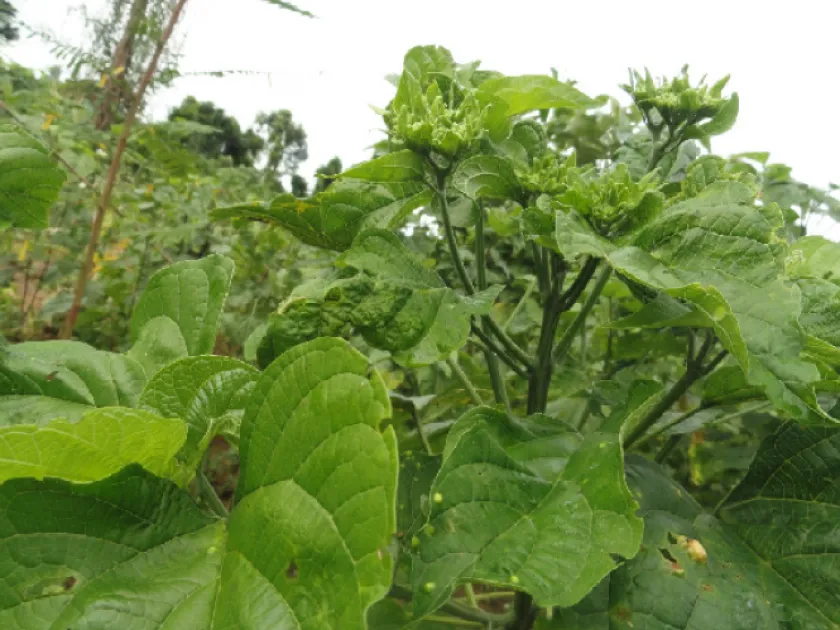
Description
Sowing dates
Sowing seeds of Clerodendrum colebrookianum is best performed during the early spring season, following the last frost. The soil should be a lightweight, well-draining mixture containing peat moss and perlite to support root growth.
Seeds should be covered with approximately 1–2 centimeters of soil. Maintaining consistent moisture and a ambient temperature between 22 and 25 degrees Celsius is crucial for high germination rates.
As seedlings emerge, ensure they receive bright, indirect light to prevent legginess. Gradually acclimating the young plants to outdoor conditions is necessary before final transplantation.
Transplanting into the permanent garden beds or containers should be done once the plants reach about 20 centimeters in height. Spacing is important to ensure adequate air circulation and prevent overcrowding.
If growing in a controlled greenhouse environment, seeds can be started earlier, provided that supplemental lighting is used to maintain a 12-hour day length for optimal seedling vigor.
Growing requirements
Clerodendrum colebrookianum belongs to the Lamiaceae family, originating from the humid forest regions of Southeast Asia and India. It thrives in tropical climates characterized by high humidity and consistent warmth.
The crop requires fertile, humus-rich soil with a slightly acidic to neutral pH. Proper soil drainage is essential, as the roots are highly susceptible to rot if waterlogged for extended periods.
Climatic requirements focus on warmth and humidity. While the plant can tolerate some shade, it produces more biomass when exposed to filtered sunlight. Temperatures should be kept above 15 degrees Celsius.
Standard agronomic practices include balanced nitrogen-heavy fertilization during the active growing phase. This encourages the development of lush, edible foliage, which is the primary economic target of this crop.
Regular pruning is vital to manage the shrub's architecture. Trimming the plant stimulates lateral branching, which significantly increases the total yield of leaf material harvested per season.
Yield
The economic value of Clerodendrum colebrookianum lies in its use as a leafy vegetable and medicinal ingredient. Young leaves are commonly consumed in local cuisines across its native range.
Yield capacity is high under intensive management. By implementing strategic harvesting techniques, growers can achieve multiple cuttings per season, as the plant regenerates quickly from dormant buds.
Product quality depends heavily on managing moisture and preventing nutritional stress. High-yield systems often integrate drip irrigation to maintain soil moisture consistency without leaf wetting.
The potential for medicinal application continues to grow, with researchers highlighting the presence of antioxidant compounds. This makes it a high-potential crop for niche nutraceutical markets.
Sustainable harvesting ensures the plant remains productive for multiple years. By alternating harvest sites and allowing for adequate recovery periods, farmers can maintain stable production levels.
Main diseases and pests
Disease management in this crop is focused on mitigating fungal infections caused by high humidity. Powdery mildew and root rots are the most common issues in poorly ventilated settings.
Pests such as spider mites and whiteflies frequently target the foliage in dry environments. Monitoring and rapid intervention are necessary to prevent severe plant damage and reduced biomass yield.
Integrated pest management strategies should favor biological controls, such as beneficial insects, to avoid chemical residues, especially given the plant's use as food.
Nutrient deficiency symptoms, specifically chlorosis, serve as early indicators of pH imbalances. Regular soil testing is a recommended practice for all commercial plantings.
- Use of disease-free propagation stock.
- Maintaining optimal space between plants for airflow.
- Application of organic fungicides during periods of high humidity.
Harvesting
Harvesting should occur in the cool hours of the early morning to ensure maximum leaf turgidity and quality. Hand-harvesting is preferred to avoid mechanical damage to the woody stems.
Only healthy, vibrant leaves and tender shoot tips should be selected for harvest. This preserves the plant's energy stores and encourages rapid regrowth for subsequent harvesting rounds.
Post-harvest processing involves air-drying the leaves in shaded, well-ventilated areas to prevent fermentation. Proper drying helps retain the color and potency of the active phytocompounds.
Storage must be carried out in sealed, opaque containers to protect the dried product from light and moisture. This ensures the shelf stability of the leaf material before market distribution.
Quality control standards must be applied during the harvest to ensure the absence of woody debris or contaminated leaves, which is essential for maintaining premium market pricing.