
Christiana lavender
Lavandula christiana
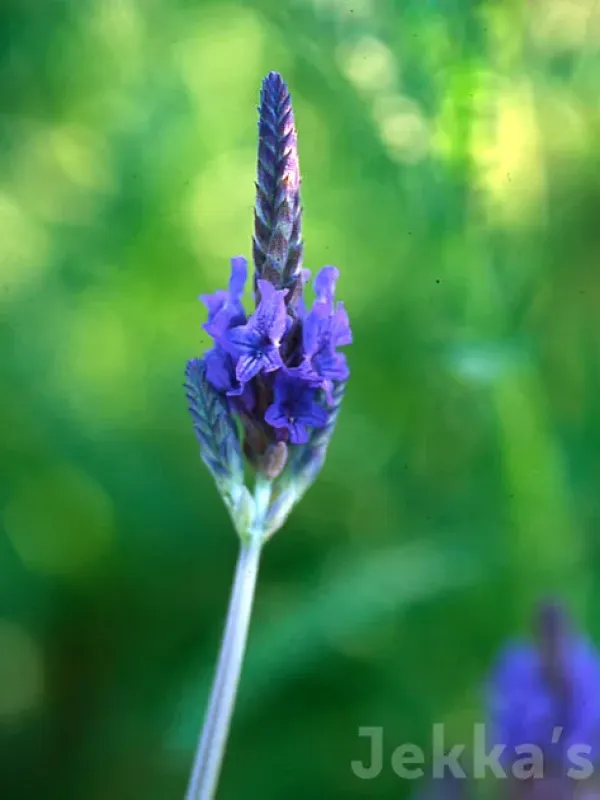
Description
Growing requirements
Christiana lavender (Lavandula christiana) is a unique perennial subshrub belonging to the Lamiaceae family. It is native to the Cape Verde Islands and is considered a distinctive species due to its specific botanical traits.
The plant features distinctively pinnatisect leaves covered in fine hairs, which provide a silvery appearance. These leaves are an adaptation to the arid environments of its native habitat, helping the plant to minimize water loss through transpiration.
Cultivation of this species requires abundant sunlight and warm temperatures. It is highly sensitive to cold and excess moisture, making site selection crucial for successful establishment and long-term plant health.
The soil requirements are strict: the plant needs well-draining, gritty, or sandy substrates. Heavy or clay-rich soils that retain water are unsuitable, as they lead to root rot and other physiological issues for the lavender.
From an agricultural standpoint, the plant is primarily studied for its essential oil composition, which differs from standard lavender varieties. It also holds significant value in specialized ornamental gardening and horticulture.
Main diseases and pests
Fungal diseases, particularly those affecting the roots and stems, represent the main threat to Lavandula christiana. Root rot is the most common issue caused by waterlogged soil conditions.
Pests such as leafhoppers and spider mites can infest the foliage, particularly when the plant is grown in sheltered or greenhouse environments. Regular inspection of the plant's undersides is recommended.
Good cultural practices, such as proper spacing to ensure adequate airflow, are essential to prevent the buildup of humidity around the base of the plant. This simple measure significantly reduces the risk of fungal outbreaks.
Chemical treatments should be used sparingly, as the plant's sensitivity to synthetic pesticides can be high. Biological control agents or physical removal of pests are often preferred methods in managed cultivation.
Maintaining a clean growing area by removing dead leaves and weeds is crucial for plant vitality. Proper pruning during the growing season helps in maintaining the shape and health of the shrub.