
Clerodendrum buchanani
Clerodendrum buchanani
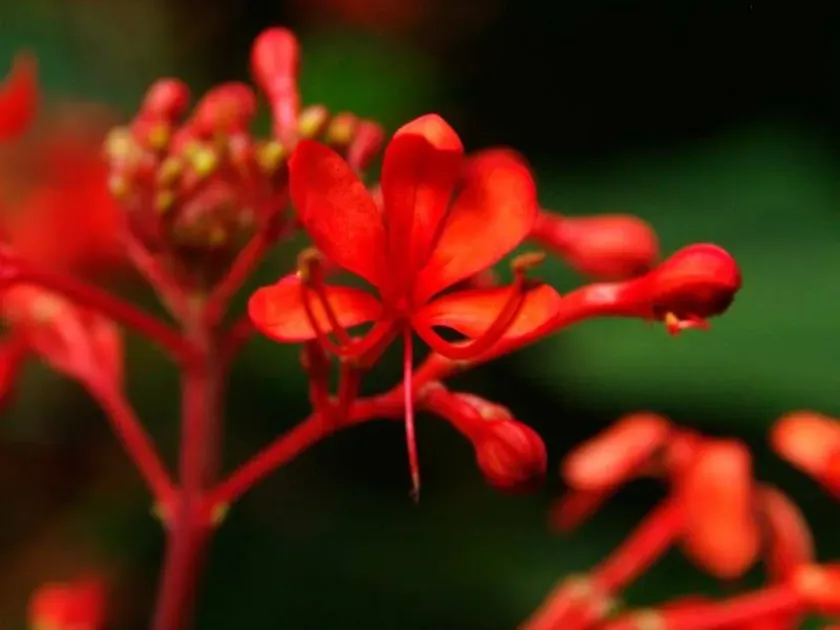
Description
Growing requirements
Clerodendrum buchanani, a member of the Lamiaceae family, is a tropical shrub species originating from the regions of Southeast Asia. It is widely cultivated for its ornamental value in gardens and greenhouse environments across warm climates.
The plant thrives under bright, filtered sunlight. Exposure to direct intense sun, especially during the midday hours, should be avoided to prevent foliar scorch. Maintaining a consistent light source is critical for flower induction and healthy canopy development.
Temperature requirements for this species are specific, preferring a range between 20°C and 26°C. The plant is not frost-tolerant and requires protection from any environmental temperatures dropping below 15°C to avoid metabolic dormancy and tissue loss.
Soil composition must be rich in organic matter and possess high porosity for efficient drainage. A well-aerated medium with a slightly acidic to neutral pH is optimal, preventing waterlogging which is a primary cause of root asphyxiation in this species.
High relative humidity, ideally above 70%, is essential for sustaining the physiological processes of the plant. In arid environments, supplemental humidity through misting or automated irrigation systems is necessary to maintain overall plant vigor.
Main diseases and pests
Spider mites are the most prevalent pests associated with Clerodendrum buchanani, especially when ambient humidity is insufficient. These mites colonize the underside of leaves, causing significant chlorosis and eventual leaf drop if left untreated.
Mealybugs can also infest the stems and leaf axils. Their feeding leads to stunted growth and the secretion of honeydew, which may subsequently foster the growth of sooty mold, negatively impacting the plant's photosynthetic capacity.
Root rot is the most common pathology resulting from overwatering or inadequate soil drainage. It is characterized by the softening of the root system and the rapid decline of the aerial parts of the plant.
Nutrient deficiencies, particularly regarding nitrogen and iron, can manifest as interveinal chlorosis. A balanced fertilizer program applied during the active growing season is recommended to support robust health and development.
Management of these threats relies on integrated pest management (IPM) practices, emphasizing proper cultural conditions as the primary line of defense before resorting to chemical interventions.