
Cleonia lusitanica
Cleonia lusitanica
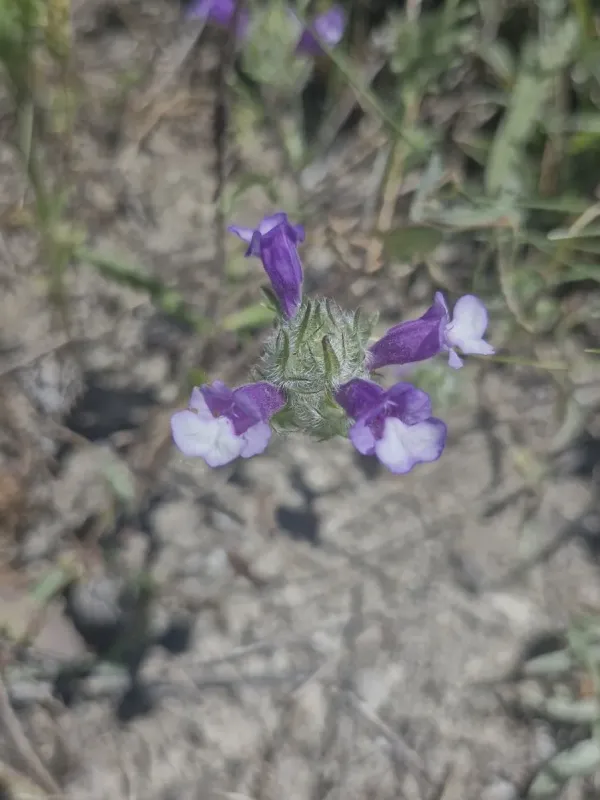
Description
Sowing dates
Cleonia lusitanica is an annual herbaceous plant that begins its life cycle with seed germination in the spring. The optimal time for sowing is mid-spring, when the soil warms up sufficiently to activate the biological processes of the seeds.
For successful germination, seeds may require stratification or warming depending on the regional climate, as the plant is originally adapted to Mediterranean conditions. Sowing depth should not exceed 1–2 centimeters to ensure adequate oxygen access.
Plant density is a crucial factor during sowing, as the plant tends to develop a spreading habit. It is recommended to maintain a row spacing of at least 30 centimeters to allow for the full development of the aerial parts.
The plant shows a high sensitivity to temperature fluctuations during the first few weeks after emergence. Sharp drops in temperature can slow down root system development, which subsequently affects the overall vegetative growth.
In its natural habitat, self-seeding occurs in late summer due to the shedding of seeds after the flowering cycle. When cultivated, seeds should be harvested manually as soon as the seed pods begin to darken.
Growing requirements
The crop belongs to the Lamiaceae family, which dictates its preference for well-drained and moderately dry soils. The plant does not tolerate waterlogging, so areas with high groundwater levels are completely unsuitable for its cultivation.
Cleonia lusitanica prefers open, sunny locations with direct sunlight throughout the day. In shaded conditions, the plant becomes leggy, and the intensity of flowering is significantly reduced.
Soil requirements include a neutral or slightly alkaline pH balance. Rocky or sandy substrates, rich in mineral elements, promote more vigorous stem development and better inflorescence formation.
Climatic preferences are limited to regions with mild winters or dry summers, characteristic of its origin in Southwestern Europe and the Iberian Peninsula. The plant is extremely sensitive to hard frosts.
- Good soil aeration
- Moderate watering during the active growing season
- Protection from strong winds during the budding phase
- Minimal application of nitrogen fertilizers
Harvesting
Harvesting the aerial parts of the plant for use as raw material is carried out during the full flowering phase. It is during this period that the concentration of essential oils and bioactive compounds in the leaves reaches its peak.
The harvest is performed by cutting the stems at a height of 5–10 centimeters from the soil surface. Using a sharp tool prevents damage to the root system, allowing for potential regrowth if conditions permit.
Immediately after harvesting, the raw material must be sent for drying in a well-ventilated room protected from direct sunlight. High temperatures during drying should be avoided as they cause the evaporation of aromatic components.
If the goal is to collect seeds, the harvesting process is shifted to the period of full technical maturity. This can be determined by the browning of the calyxes and the characteristic rustling sound of the seed pods.
After drying, the seeds are cleaned of plant debris by winnowing or using sieves with an appropriate mesh diameter. Storing seed material requires low humidity to maintain viability until the next season.