
Blephilia ciliata
Blephilia ciliata
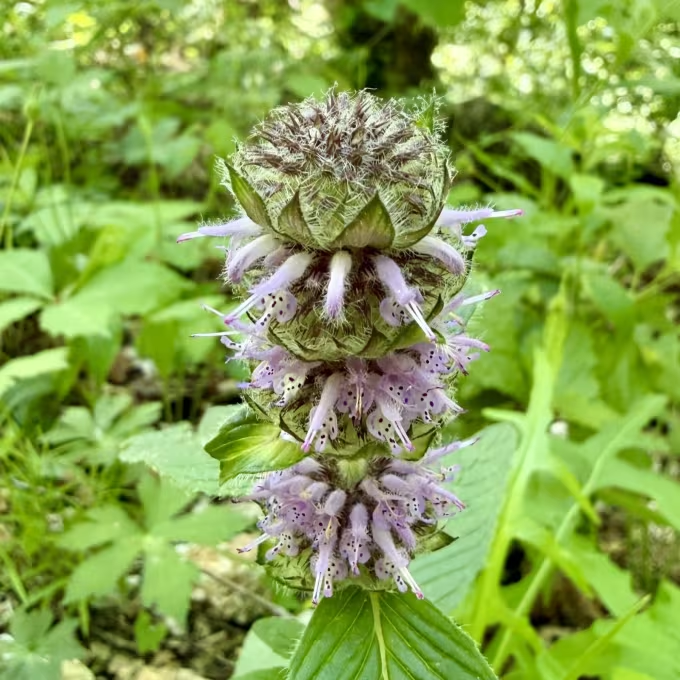
Description
Sowing dates
Blephilia ciliata seeds should be sown in late autumn or early spring to allow for natural stratification, which is essential for uniform germination. Sowing in the fall in outdoor seedbeds mimics natural conditions and usually yields better results.
When starting indoors, use a well-draining seed-starting mix. Cover the seeds very lightly with soil, as they require light to germinate effectively. Maintain a consistent humidity level until the seedlings emerge, which typically takes 3 to 5 weeks.
Once seedlings have developed two pairs of true leaves, they can be transplanted into individual pots or directly into the field. Ensure a spacing of at least 30-45 cm between plants to allow for healthy air circulation as the plants mature.
For large-scale cultivation, drilling seeds in rows with proper depth control is recommended. Proper soil contact is critical, so a light rolling after sowing can improve the establishment of the young plants in the field.
Young plants are somewhat fragile and require careful protection from aggressive weeds during the first months of growth. Providing adequate space is vital for their development into robust, long-lived perennial clumps.
Growing requirements
Blephilia ciliata is a member of the Lamiaceae family that prefers well-drained, fertile soil. It thrives in loamy or sandy soils and is highly adaptable to various moisture conditions, provided the ground does not become waterlogged.
The plant performs best in full sun to partial shade. In warmer regions, light afternoon shade is beneficial to prevent leaf scorch and preserve moisture in the root zone during the peak of summer heat.
It is moderately drought-tolerant once established due to its extensive root system. However, for maximum nectar production and foliage quality, consistent moisture during the growing season is highly recommended.
Avoid heavy nitrogen fertilizers, as they may lead to excessive foliage growth and decreased resilience against diseases. A balanced organic compost or a light application of a slow-release fertilizer is usually sufficient.
Soil pH should ideally be neutral to slightly acidic. If the soil is heavy clay, amending it with sand or grit before planting will significantly improve drainage and reduce the risk of root rot.
Main diseases and pests
Powdery mildew is the most common fungal disease, especially in areas with poor ventilation or high humidity levels. Maintaining proper spacing and removing debris around the base of the plants can help prevent outbreaks.
Aphids and spider mites are potential pests that may colonize the plants during dry spells. Monitoring the undersides of the leaves periodically allows for early detection and manual removal before an infestation becomes severe.
Root rot occurs if the soil drainage is inadequate or if the plants are overwatered. Symptoms often include yellowing leaves and wilting despite moisture in the soil, necessitating a prompt reduction in irrigation.
Leaf-eating insects can occasionally cause aesthetic damage, but they rarely threaten the survival of an established clump. Biological control measures or simple water jets are generally enough to manage these issues without chemicals.
Proper crop rotation is advisable if you are cultivating this species on a commercial scale. Avoiding sites where other Lamiaceae members have recently suffered from soil-borne diseases will minimize the risk of infection.
Harvesting
Harvesting the flowering tops for aromatic or herbal use should take place when the blooms are fully open. This is the stage when the essential oil concentration is highest, ensuring the best quality end product.
Use sharp, clean tools to harvest the stems, leaving at least one-third of the plant intact to support future growth and energy storage for the next season. Morning harvesting is preferred after the dew has evaporated.
Dry the harvested stems in small bunches hanging upside down in a dark, cool, and airy place. Avoid high heat during the drying process to ensure that the delicate volatile oils are not lost prematurely.
Once completely dried, the leaves and flowers can be stripped from the stems and stored in opaque, airtight containers. Proper storage maintains the plant's characteristic scent and biological potency for months.
As a nectar-rich species, its primary harvest is often honey rather than plant material. Providing a healthy environment for local bee populations significantly increases the value of this crop for surrounding agricultural ecosystems.