
Aegiphila elata
Aegiphila elata
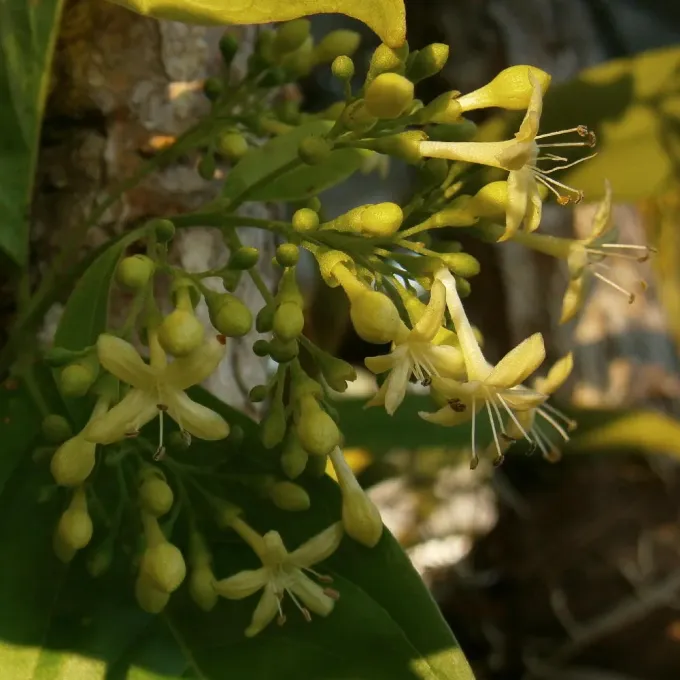
Description
Growing requirements
Aegiphila elata is a plant belonging to the Lamiaceae family, previously classified within the Verbenaceae family. It is native to the tropical regions of Central and South America, where it thrives as a shrub or a small tree within diverse forest ecosystems.
The plant demands high environmental humidity and constant warm temperatures, reflecting its tropical origin. It is highly sensitive to cold, making it unsuitable for cultivation in regions prone to frost or significant temperature fluctuations throughout the growing season.
Successful growth requires well-drained, fertile soils with a balanced nutrient profile. Waterlogging is detrimental to this species, as it rapidly causes root decay; therefore, maintaining an appropriate soil structure that allows for sufficient aeration is critical for its survival.
From a botanical perspective, Aegiphila elata exhibits opposite leaf arrangement and specialized inflorescences typical of its family. Its biological cycles are heavily influenced by seasonal rainfall patterns, which trigger periods of intensive vegetative growth and reproductive phases.
While the species is not widely cultivated for commercial agricultural production, it is highly regarded for its ecological contribution to tropical biodiversity. Researchers study this plant to understand its interactions with pollinators and its resilience in changing humid environments.