
Aegiphila sellowiana
Aegiphila sellowiana
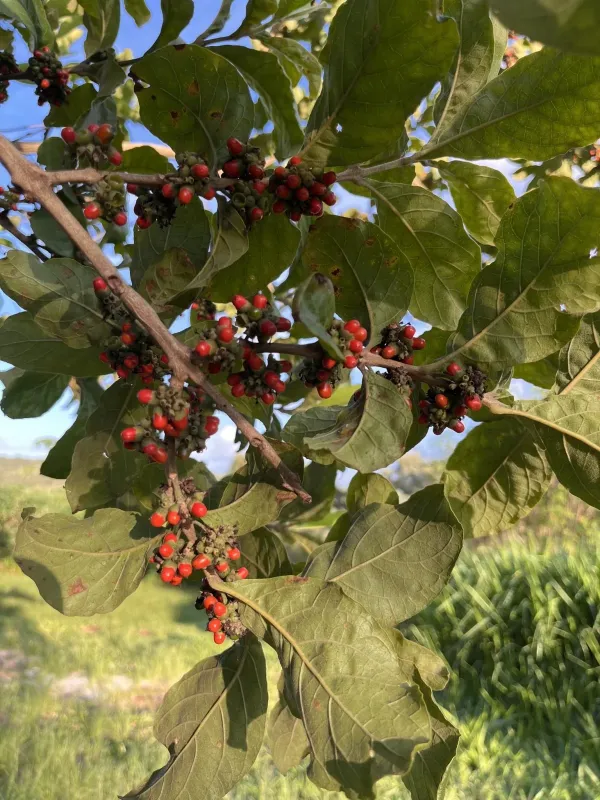
Description
Sowing dates
Aegiphila sellowiana propagates primarily through seeds, which require specific conditions for effective germination and subsequent seedling vigor.
The optimal time for sowing in forest nurseries is following the end of the rainy season when climatic conditions promote rapid and uniform growth.
Seed treatment, including stratification or soaking, can significantly enhance germination rates and ensure a uniform start for all nursery-raised saplings.
Vegetative propagation via cuttings is also a viable method used to maintain specific growth characteristics and speed up the establishment process.
Saplings should be kept in the nursery until they reach a height of 30–50 centimeters, ensuring they possess a robust root system before field planting.
Growing requirements
As a member of the Lamiaceae family, Aegiphila sellowiana is a tropical species that thrives in warm, stable climates with high annual humidity.
The plant requires deep, fertile, and well-drained soils to prevent root rot and to support the rapid development of its woody biomass.
Sunlight exposure is critical for optimal growth; however, young plants may benefit from light partial shade during the initial phase of their establishment.
Regular irrigation is essential during the first two years of field growth, especially during the dry season, to maintain consistent physiological functions.
Wind protection is recommended for young plantations, as strong gusts can cause structural damage to developing trunks and affect their straightness.
Yield
Aegiphila sellowiana is primarily valued for its wood production, which is utilized in various sectors of the construction and carpentry industries.
The total yield of woody biomass depends heavily on management practices, including spacing, fertilization, and the removal of competing vegetation.
In addition to timber, the species serves as an excellent nectar source, significantly contributing to local biodiversity and supporting bee populations.
Effective plantation rotation cycles allow for sustained production, providing consistent returns for growers in favorable agro-ecological zones.
Productivity is maximized when trees are managed with proper spacing that prevents competition while allowing sufficient sunlight to reach the lower canopy.
Main diseases and pests
The main threats to Aegiphila sellowiana include fungal root infections, which typically occur in poorly drained or waterlogged soil conditions.
Insect pests that target leaves and young stems can significantly impact the plant's health, necessitating timely scouting and integrated pest management strategies.
Weed competition is particularly detrimental in the first few years, as fast-growing weeds can suppress the growth of saplings and limit nutrient uptake.
Effective monitoring and proactive maintenance, such as mulching and clearing the base of each tree, are crucial for long-term plantation success.
- Fungal root pathogens
- Defoliating insects
- Competitive weed growth
- Stem-boring pests
Harvesting
Harvesting timber from Aegiphila sellowiana is conducted during the dormant season to ensure the wood quality remains high and durable.
Trees reach technical maturity based on their trunk diameter, and harvests are planned to align with the specific market requirements for their wood.
Modern harvesting techniques are employed to minimize damage to the surrounding environment and to ensure the efficiency of the logging operation.
Post-harvest management involves evaluating the potential for coppice regeneration, which allows for multiple harvest cycles from the same rootstock.
Proper sorting and processing of the logs immediately after felling help to preserve the physical properties of the wood for industrial usage.