
Rhytidiadelphus triquetrus
Rhytidiadelphus triquetrus
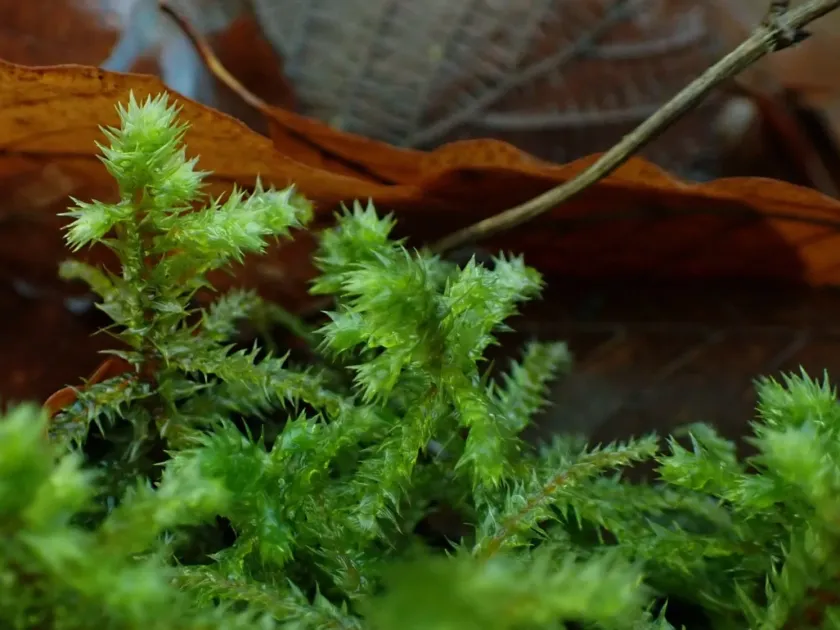
Description
Growing requirements
Rhytidiadelphus triquetrus, commonly known as the common shaggy moss, is a robust species belonging to the Hylocomiaceae family. While it is not a cultivated agricultural crop, it plays a vital role as a primary ground cover in northern hemisphere forests.
This moss is widely distributed across temperate regions of Europe, Asia, and North America. It is typically found in coniferous and mixed forests, where it thrives in moist, shaded environments on forest floors, rotten logs, and acidic substrates.
Botanically, it is recognized by its large, irregularly branched stems that can reach substantial lengths. The leaves are spread widely, giving the shoots a distinct triangular appearance in cross-section, which is the primary identifier for the species.
Regarding environmental requirements, this moss is highly dependent on humidity and shade. It thrives in areas with consistent moisture levels and protection from direct sunlight, making it a sensitive indicator of forest health and environmental stability.
Its utilization is primarily ecological, as it acts as a carbon sink and a critical component in water retention within the forest ecosystem. In niche horticultural applications, it may be used to enhance the appearance of woodland gardens or shaded terrariums.
Main diseases and pests
The main threats to this species include deforestation and urban expansion, which drastically reduce the humidity levels necessary for its growth. Habitat fragmentation often leads to the degradation of local populations of this moisture-dependent bryophyte.
While traditional crop pests are not a factor for this wild moss, it is highly sensitive to air pollution, particularly sulfur dioxide. Excessive nitrogen deposition and changes in soil chemistry can lead to the rapid decline of healthy moss mats in affected areas.