
Rhytidiadelphus loreus
Rhytidiadelphus loreus
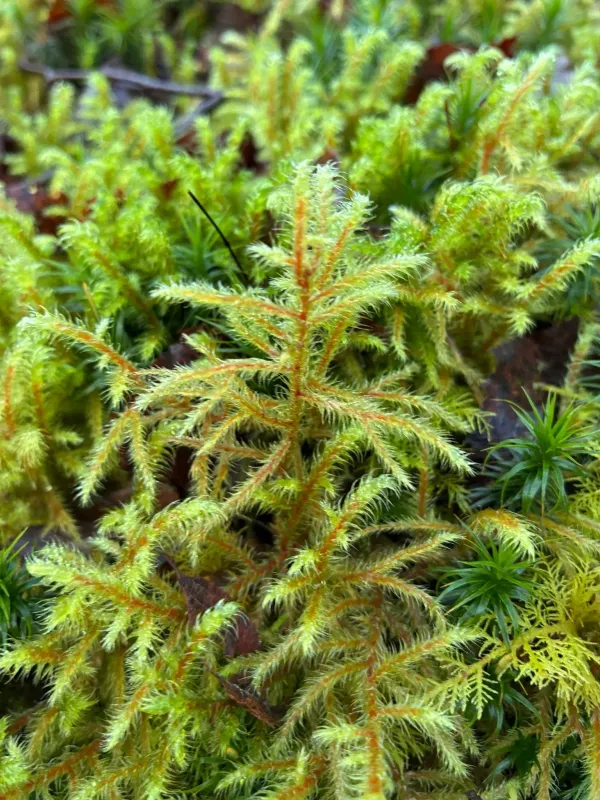
Description
Growing requirements
Rhytidiadelphus loreus is a prominent forest moss species belonging to the Hylocomiaceae family. While not an agricultural crop in the traditional sense, it plays a vital role in maintaining the moisture levels of the forest floor ecosystem.
The plant thrives in cool, humid, and oceanic climates. It typically inhabits regions where precipitation is frequent and temperatures remain moderate, avoiding exposure to intense sunlight or prolonged drought periods.
Regarding soil preferences, it requires acidic, well-draining substrates rich in organic matter. A dense forest canopy is usually necessary to provide the filtered light and high atmospheric humidity required for its optimal growth.
Botanically, Rhytidiadelphus loreus is distinguished by its long, prostrate to ascending stems that can reach substantial lengths. Its leaves are arranged in a manner that maximizes the plant's capacity to absorb water directly from the air and rain.
Maintaining a stable microclimate is the primary agrotechnical requirement for this species. Any alteration to the forest cover can negatively influence its ability to survive, as it depends heavily on the moisture retained by the forest floor.
Main diseases and pests
Climate change poses the most significant threat to the survival of Rhytidiadelphus loreus. Increased temperatures and reduced air humidity contribute to the drying of moss mats and the eventual replacement of this species by hardier, xerophytic flora.
Deforestation and habitat fragmentation are critical concerns. Removing the tree canopy increases light levels and reduces humidity, which disrupts the delicate water balance required for the moss's photosynthetic processes.
Pollution, specifically sulfur and nitrogen deposition, acts as a toxin for many bryophytes. Rhytidiadelphus loreus is highly sensitive to atmospheric quality, making it an excellent bioindicator for environmental monitoring.
Invasive plant species can also suppress the growth of Rhytidiadelphus loreus by altering soil nutrient levels and crowding out the moss through competition for space and nutrients on the forest floor.
Mechanical disturbance, such as foot traffic or heavy logging machinery, can destroy the physical structure of the moss mat. Once the mat is broken, it becomes highly susceptible to desiccation and fungal outbreaks, leading to potential local extinction.