
Orthothecium rufescens
Orthothecium rufescens
Description
Growing requirements
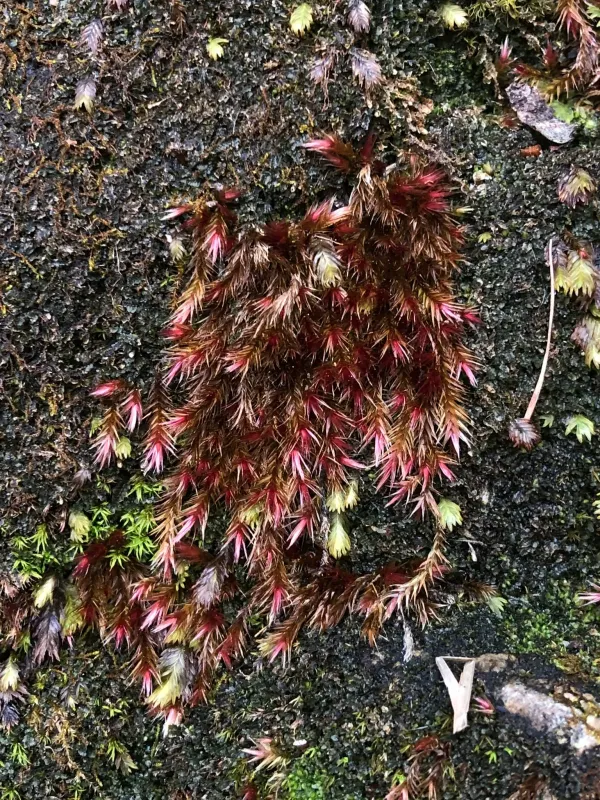
Orthothecium rufescens is a perennial leafy moss species belonging to the Neckeraceae family. It is characterized by its distinct copper-red to brownish-orange shoots, which gives the plant its name and makes it visually recognizable in the field.
In natural habitats, this moss is found primarily in mountainous regions of the Northern Hemisphere, including the Arctic and alpine zones of Europe, Asia, and North America. It prefers growing on limestone rocks, wet cliffs, and areas where carbonate rocks are exposed.
The plant is an obligate calciphile, meaning it strictly requires substrates rich in calcium to survive and thrive. While it is not an agricultural crop in the conventional sense, it serves as an important ecological indicator for assessing the health of carbonate-based ecosystems.
Optimal development of this species requires a consistently humid microclimate with high atmospheric moisture and a stable temperature range. The moss is sensitive to air pollution and changes in the hydrological cycle, which makes it a valuable bioindicator for environmental monitoring.
Botanically, the plant forms dense turfs ranging from 2 to 8 centimeters in height. Its lanceolate leaves are closely appressed to the stem, an evolutionary adaptation that helps the moss retain water and effectively survive in nutrient-poor alpine environments.
Main diseases and pests
The main threats to Orthothecium rufescens populations include human activity, such as rock quarrying and the destruction of fragile mountain ecosystems. Mechanical damage to the moss turfs leads to slow recovery due to the species' inherently low growth rate.
Climate change and the reduction of high-humidity zones significantly affect the survival of existing colonies. The drying out of mountain springs and the retreating of glaciers deprive the moss of the essential moisture required for its vegetative life cycle.
Acid rain represents a major risk for this calciphilous species. Increased soil or substrate acidity inhibits vital physiological processes and leads to the gradual death of the rhizoids, which are responsible for anchoring the plant to the stony surface.
Competition from more aggressive vascular plant species, encouraged by human-induced eutrophication, also poses a significant threat. Disturbance of the natural mineral balance tends to displace specialized bryophytes from their historical ecological niches.
Due to the rarity of this species in several regions, Orthothecium rufescens is listed in various regional and national red books. Restricting industrial and agricultural activity in areas where this moss is present is the primary strategy for its conservation.