
Rhytidiadelphus subpinnatus
Rhytidiadelphus subpinnatus
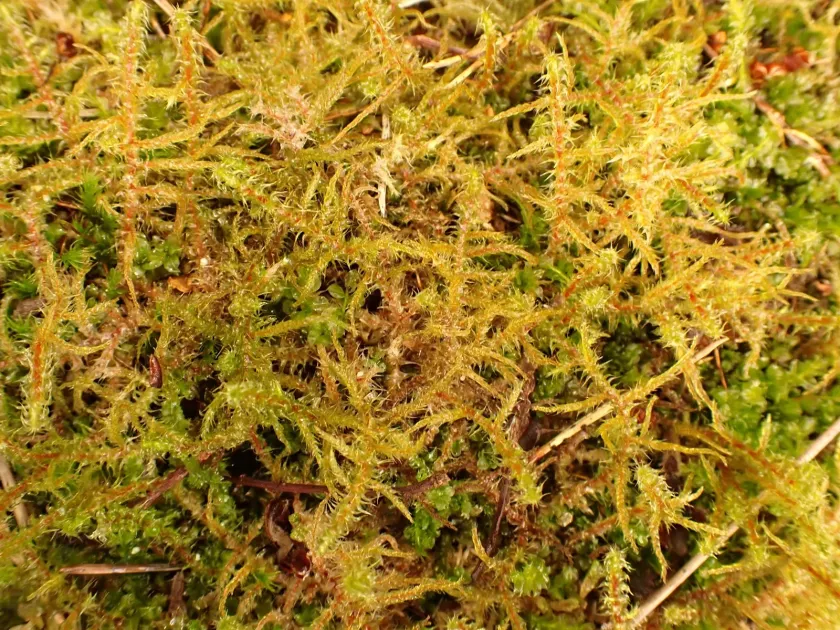
Description
Growing requirements
Rhytidiadelphus subpinnatus is a perennial moss species belonging to the family Hylocomiaceae. It is essentially a wild bryophyte rather than an agricultural crop, playing a vital role in maintaining the moisture levels of the forest floor.
Morphologically, the moss is characterized by its pinnately branched stems and plicate leaves. These structural adaptations allow the plant to thrive in dense shade, efficiently absorbing dew and atmospheric moisture in forest environments.
The distribution of this species spans across temperate regions, primarily within coniferous and deciduous forests. It thrives in locations characterized by consistent high humidity, acidic organic-rich substrates, and minimal direct sunlight exposure.
In terms of environmental requirements, Rhytidiadelphus subpinnatus is highly sensitive to changes in air quality and moisture levels. It does not require conventional agronomic management, as its survival is strictly linked to the stability of the natural forest ecosystem.
The economic and ecological significance of this moss lies in its capacity for soil erosion control and its contribution to the formation of organic humus layers. It acts as an indicator of habitat health, ensuring the preservation of microclimatic conditions necessary for other forest flora.