
Trichomanes minutum
Trichomanes minutum
Description
Growing requirements
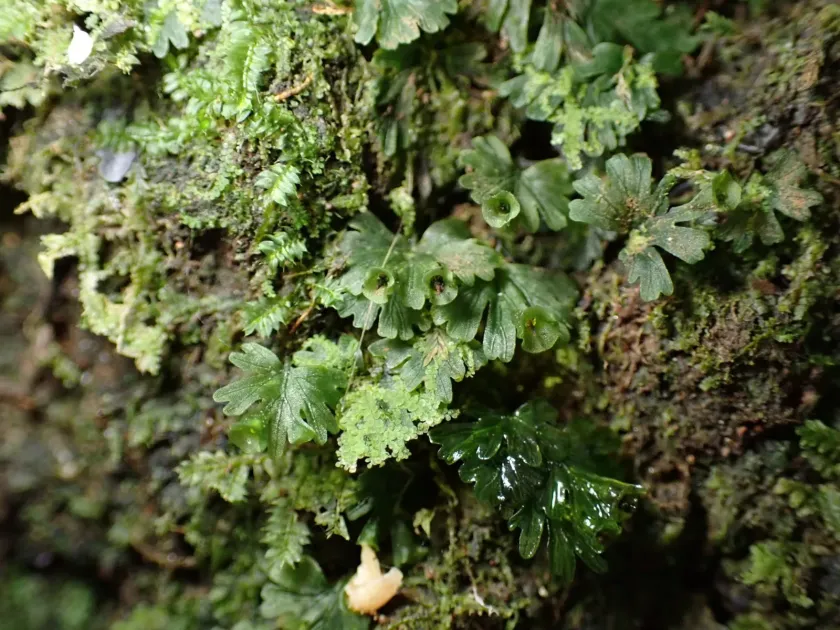
Trichomanes minutum is a delicate, diminutive fern belonging to the Hymenophyllaceae family, often referred to as a filmy fern due to its translucent, single-cell-thick leaves. It originates from humid tropical forest environments where it thrives on moist rocky surfaces and shaded tree trunks.
In a horticultural setting, this plant is primarily cultivated as a specialized botanical specimen. Its physiological requirement for extremely high relative humidity, typically exceeding 85%, makes it a challenging crop for standard greenhouse environments without climate control systems.
The plant requires low-light conditions. In commercial or hobbyist cultivation, this is achieved through the use of diffused natural light or specialized LED lighting spectra designed for bryophytes and filmy ferns. Exposure to high-intensity light can cause rapid chlorophyll degradation.
The growing medium must be highly porous and moisture-retentive. Growers often utilize specialized epiphyte mounts, volcanic rock, or sphagnum-based substrates to ensure proper gas exchange at the root level while preventing root rot associated with saturated, compact soils.
Temperature management is critical for the success of Trichomanes minutum. It requires consistent cool-to-temperate conditions, ideally between 18°C and 22°C. Fluctuations in temperature can cause leaf curling and senescence, significantly impacting the aesthetic and biological quality of the plant.
Main diseases and pests
The primary threats to Trichomanes minutum are fungal pathogens, specifically Botrytis species, which thrive in stagnant, high-humidity environments. Proper air circulation via low-speed fans is an essential agricultural practice to mitigate this risk without drying out the foliage.
Insect pests are generally less common, though fungus gnats can become a nuisance if the substrate remains too soggy for extended periods. Biological control methods, such as the introduction of beneficial nematodes or the use of sterile growing media, are highly recommended to prevent pest outbreaks.