
Trichomanes pinnatum
Trichomanes pinnatum
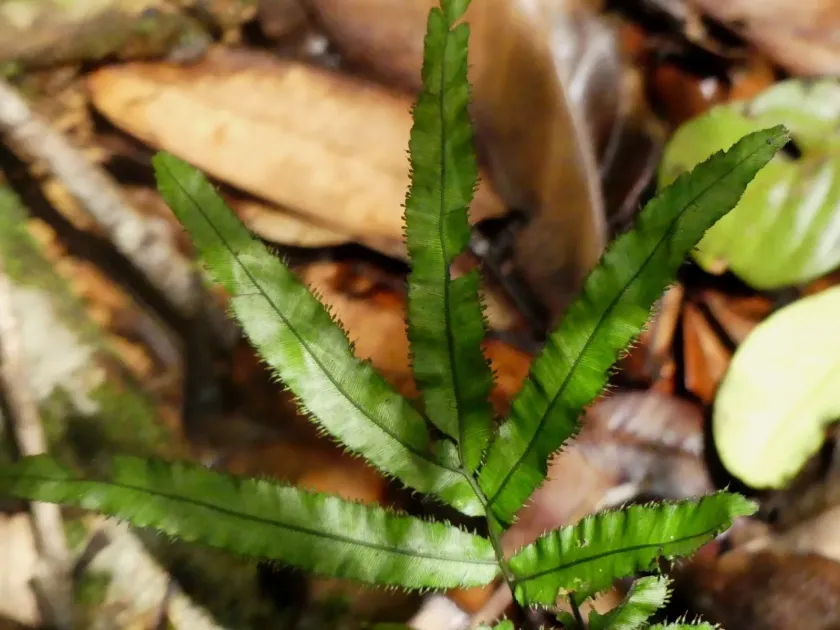
Description
Growing requirements
Trichomanes pinnatum is a delicate fern belonging to the family Hymenophyllaceae. While not a conventional field crop, it is a significant species in horticultural and botanical garden production.
Originating from the tropical forests of the Americas, this fern is naturally adapted to high-humidity environments. It typically thrives in shade and is often found near water bodies or in moist river valleys.
For successful cultivation, temperature must remain consistent, ideally between 20°C and 25°C. The plant is highly sensitive to cold, and any temperature drops below 15°C can cause significant stress.
The growing substrate should mimic the forest floor. A high-quality mix for this species usually includes fine peat, charcoal, and live or dried sphagnum moss to ensure moisture retention and proper aeration.
Watering requirements are specific: the plant needs constant moisture. The medium should never dry out, but stagnant water must also be avoided to prevent root suffocation and subsequent decay.
Main diseases and pests
The primary threat to Trichomanes pinnatum is desiccation. If the humidity level drops too low, the fronds will quickly curl, turn brown, and lose their vibrant color irreversibly.
Spider mites are the most frequent insect pest in indoor environments. They thrive in dry air, so maintaining a high humidity level is the best preventative measure against a large-scale infestation.
Root rot caused by fungal pathogens is a significant danger in poorly drained containers. It is essential to ensure the pots have adequate drainage holes and that the growing media is porous.
Foliar diseases, such as bacterial leaf spots, can occur if water remains on the fronds for too long without air movement. Good airflow around the plant is critical for maintaining healthy leaves.
Mechanical damage is another concern, as the fronds are extremely fragile. Handling the plant requires care, and it should be kept in a location where it will not be disturbed or brushed against.