
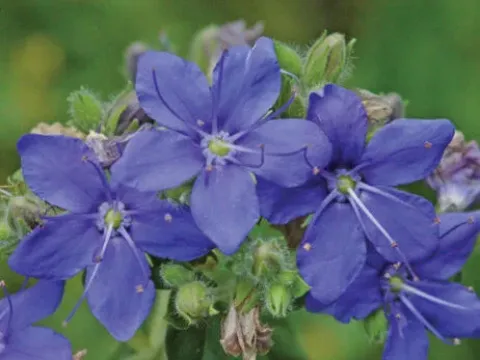
Hydrolea floribunda
Hydrolea floribunda
Sowing of Hydrolea floribunda is typically performed in late spring, ensuring that the ambient temperature remains consistently above 20 degrees Celsius. This species is highly heat-dependent and reacts negatively to cold spells.
What the section contains
Hydrolea floribunda
Seeds are sown on the surface of a moist, nutrient-rich substrate, such as a specialized aquatic soil mix or peat. They require high light intensity and constant humidity to germinate effectively within two to three weeks.
Propagation through cuttings is widely considered the most efficient method for commercial and amateur cultivation. Cuttings are taken from healthy, non-flowering shoots and placed in water, where they develop robust root systems within a few days.
When starting seeds, it is essential to keep the medium constantly saturated without submerging the seeds entirely in deep water. A misting system or a cover can help maintain the necessary microclimate during the initial stages.
Young plants should be hardened off gradually before being placed in an outdoor pond or water feature, especially if the climate has significant day-to-night temperature fluctuations.
Hydrolea floribunda belongs to the Hydroleaceae family, encompassing perennial herbaceous plants that thrive in marshy habitats and along the banks of stagnant or slow-moving water bodies.
The plant requires full sun to partial shade, though maximum flowering performance is achieved in direct sunlight for the majority of the day. Insufficient light leads to weak, elongated stems and a lack of vibrant blossoms.
Soil requirements involve a rich, slightly acidic to neutral substrate. In artificial water gardens, using aquatic baskets filled with loamy soil enriched with organic fertilizers provides the best results for vigorous growth.
Hydrolea floribunda is not a deep-water plant; it prefers to grow at the water's edge or in very shallow areas where roots can access both nutrient-rich mud and oxygenated air.
Climate adaptability is limited to tropical and subtropical zones. In temperate regions, the plant is usually treated as an annual or overwintered in greenhouses where temperatures stay above 12 degrees Celsius.
The most significant threat to the health of Hydrolea floribunda is root decay caused by inadequate water circulation or an overly compact, anaerobic substrate that prevents oxygen uptake.
Insect pests such as aphids are frequently attracted to the tender tips of the plant during the active growing season. If left untreated, these pests can cause stunted growth and deformed flowers.
Excessive alkalinity in the water can lead to severe chlorosis, where leaves turn yellow due to the plant's inability to absorb iron and other essential trace minerals.
Fungal infections can emerge if debris or decaying organic matter is allowed to accumulate around the base of the plant, especially in stagnant water conditions.
- Ensure good aeration of the water in ponds.
- Monitor leaf undersides for signs of aphids or spider mites.
- Use balanced, water-soluble fertilizers designed for aquatic plants.
- Remove dead leaves immediately to prevent fungal outbreaks.
- Maintain a stable temperature to prevent metabolic shock.