
Hydrolea quadrivalvis
Hydrolea quadrivalvis
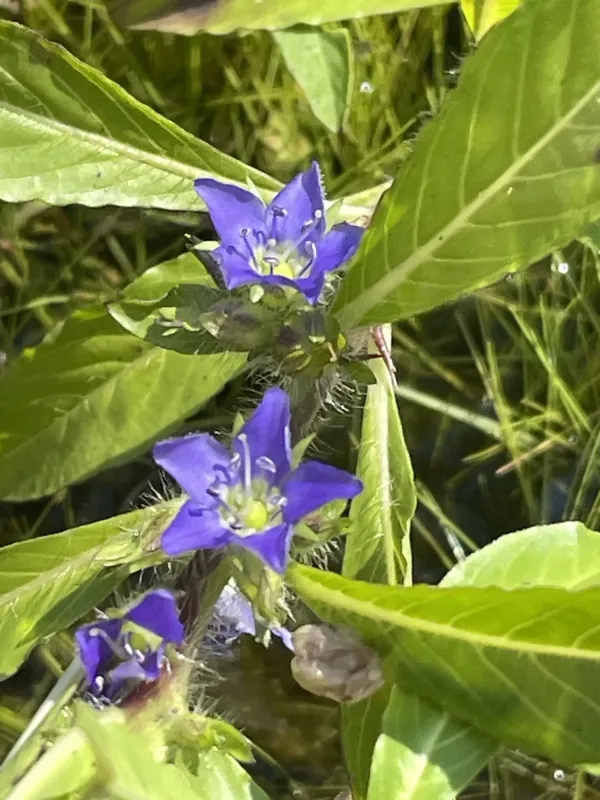
Description
Growing requirements
Hydrolea quadrivalvis is a perennial plant belonging to the Hydroleaceae family, widely recognized for its preference for wet and marshy habitats. Native to the southeastern United States, it thrives in environments characterized by consistently high humidity.
Botanically, the plant features distinct, often glandular-pubescent stems and leaves, adapted to riparian ecosystems. Its lifecycle is closely tied to water availability, making it an obligate hydrophyte that performs best in saturated soil conditions.
Climate requirements involve mild to warm temperature ranges, as the plant does not exhibit significant frost tolerance. Exposure to direct sunlight is generally preferred for optimal flower production and biomass accumulation, though partial shade is tolerated.
Soil requirements dictate a substrate rich in organic matter, such as peat or silt, with neutral to slightly acidic pH levels. Maintaining a consistent water table is the most critical agronomic factor for long-term survival in garden or managed wetland settings.
In terms of agricultural and environmental utility, the plant is valued for its capacity to stabilize shoreline soil and filter water by absorbing excessive nutrients. It is effectively used in constructed wetlands for water quality restoration.
Main diseases and pests
Typical threats include fungal pathogens that exploit high-humidity environments, leading to leaf spot and stem necrosis if air circulation is inadequate. Prevention is primarily achieved through maintaining healthy, balanced water flow.
Pests commonly associated with this species include generalist leaf-eating insects and mollusks. Managing these threats requires integrated pest management approaches that avoid synthetic pesticides to protect the sensitive aquatic micro-environment.