
Hydrolea
Hydrolea
Hydrolea is a genus of flowering plants belonging to the Hydroleaceae family. These plants are uniquely adapted to aquatic or semi-aquatic environments, making them specialized crops for humid regions and wetland management.
What the section contains


Hydrolea
Originating from tropical and subtropical regions of the Americas, Africa, and Asia, these plants thrive in muddy soils, riverbanks, and marshy landscapes. Their biological structure allows them to tolerate soil saturation that would be detrimental to standard field crops.
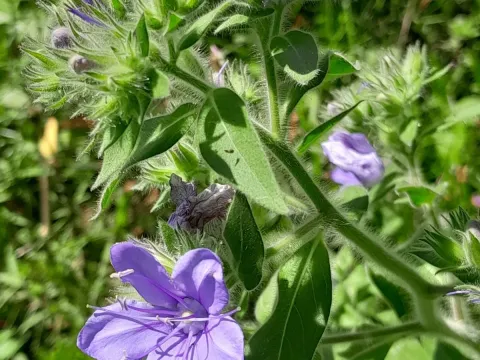
Botanically, Hydrolea species are characterized by their simple leaves and vibrant, typically blue, flowers. The root system is highly efficient at extracting nutrients from water-logged substrates, which is a significant advantage in specific agricultural settings.
Climate requirements include high ambient temperatures and consistent humidity levels throughout the growing season. The plant is frost-intolerant, and its development is closely linked to the availability of thermal energy during the peak of the season.
Soil requirements focus on organic richness and high water retention capacity. For optimal growth, the substrate should maintain a steady moisture level, avoiding complete drying out, which can lead to permanent wilting and significant yield reduction.
Fungal infections represent the most significant threat to Hydrolea crops, especially in environments with poor air circulation. Overcrowding in the field can accelerate the spread of rot, necessitating strategic planting densities.
Pests such as aphids and spider mites are frequent visitors to these lush plants. Integrated pest management strategies, focusing on biological controls and monitoring, are highly recommended to keep populations below economic damage thresholds.
Root system pathogens are another major concern, particularly when the water quality in irrigation sources is suboptimal. Maintaining the cleanliness of water bodies used for irrigation is essential to prevent the introduction of water-borne diseases.
Nutrient deficiencies, specifically in trace elements, can manifest as chlorosis on the leaves, significantly impairing the plant's photosynthetic capacity. Routine leaf tissue analysis is a standard practice for high-yielding cultivation.
Weed management remains critical during the establishment phase. While Hydrolea eventually creates a dense canopy that suppresses light access to the soil, early interventions are necessary to ensure the crop gains a competitive advantage over invasive species.