
Blyxa talboti
Blyxa talboti
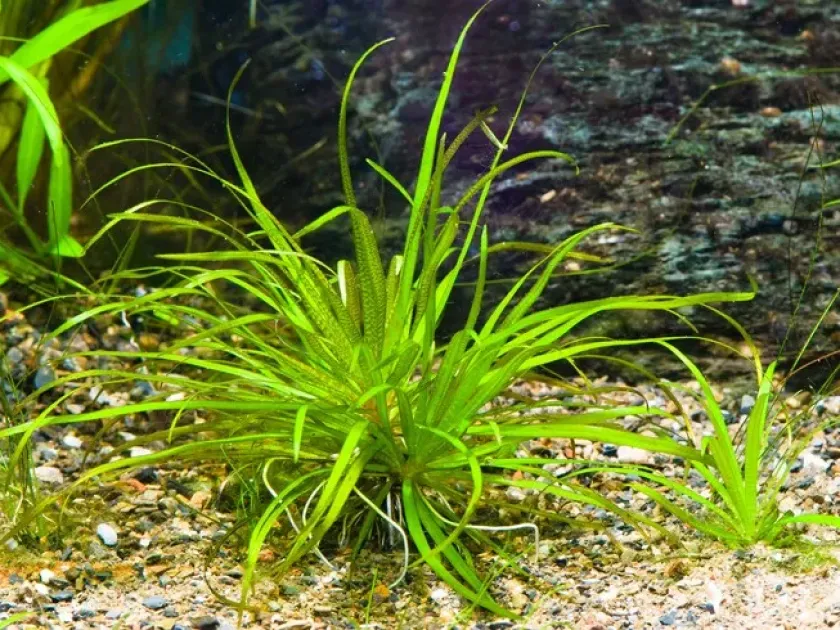
Description
Growing requirements
Blyxa talboti is an aquatic species belonging to the Hydrocharitaceae family, native to tropical regions of Africa. It typically inhabits shallow freshwater environments such as streams and marshes, where it thrives in calm, slow-moving water bodies.
The plant demands high light intensity to sustain its metabolic processes and maintain its characteristic leaf shape. It requires a stable temperature range between 22°C and 28°C to ensure optimal physiological development and prevent thermal stress.
Nutrient-rich, fine-grained substrate is essential for this species to develop a healthy root system. It prefers slightly acidic to neutral water conditions with a stable concentration of essential macronutrients like nitrates and phosphates.
Botanically, it forms dense rosettes of thin, linear leaves that provide an excellent hiding spot for aquatic fauna. Its morphology is perfectly adapted to aquatic life, allowing for gas exchange across the entire surface of the plant tissue.
In commercial and hobbyist use, this plant is highly prized for its aesthetic value in aquascaping. It is often treated as a delicate specimen that requires careful handling and specific environmental parameters to flourish in captivity.
Main diseases and pests
The most common threat to Blyxa talboti is the accumulation of epiphytic algae on its leaves. Algal growth deprives the plant of necessary light, significantly slowing down its growth and potentially leading to the death of the foliage.
Invertebrate pests, such as certain species of snails, may pose a minor threat by grazing on the succulent leaf tissues. Maintaining a healthy balance in the local ecosystem is the best way to prevent such damage from occurring.
Physiological diseases are primarily caused by nutrient deficiencies, especially iron and potassium shortages. Symptoms include chlorosis, where the leaves lose their vibrant color and eventually wither due to impaired chlorophyll synthesis.
Substrate compaction and improper water circulation can lead to root rot, which is a major concern for this species. Preventing anaerobic conditions in the soil is crucial for maintaining the long-term health of the plant.
Regular maintenance, including water changes and precise fertilization, is necessary to keep the plants free from disease. Monitoring the growth tips allows for the early detection of stress, which can be mitigated by adjusting the water parameters accordingly.