
Blyxa aubertii
Blyxa aubertii
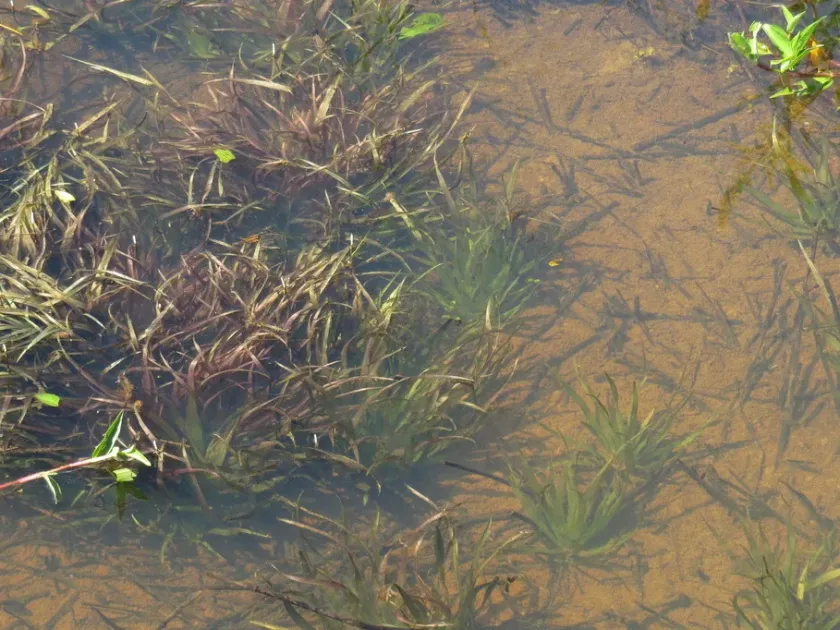
Description
Growing requirements
Blyxa aubertii is an herbaceous perennial plant belonging to the Hydrocharitaceae family. In its natural habitat, it is found throughout tropical and subtropical Asia, growing in stagnant or slow-moving water bodies.
The plant features a tuft of narrow, elongated leaves arranged in a basal rosette. Its height typically ranges from 10 to 30 centimeters, making it a popular choice for the middle or foreground of aquatic aquascapes.
Successful cultivation requires high light intensity; in low-light conditions, the leaves become pale and elongated. The optimal water temperature is between 22 and 28 degrees Celsius, with a slightly acidic to neutral pH level.
The root system is highly sensitive to substrate composition. A nutrient-rich substrate containing essential microelements and iron is necessary, as the plant absorbs most of its required nutrients through the roots.
The plant responds extremely well to CO2 supplementation. When combined with balanced liquid fertilizer dosing, Blyxa forms dense, aesthetically pleasing bushes with a deep green color and a subtle golden hue.
Main diseases and pests
The main challenge in cultivation is iron deficiency in the substrate, which leads to chlorosis and degradation of the leaf blades. Regular water testing allows for timely adjustments to the microelement levels.
The plant may be susceptible to thread algae if lighting conditions are inconsistent or if there is an excess of nitrogen compounds. Management requires establishing biological balance, as harsh chemicals can damage the delicate leaf structure.
In overstocked aquariums, the leaves may be damaged by herbivorous fish species, such as certain barbs or goldfish that favor soft aquatic vegetation.
Poor water circulation in the planting area can lead to detritus buildup, which triggers root rot. Proper placement relative to filter outflows is crucial to prevent the development of harmful microorganisms.
Temperature drops below 20 degrees Celsius or sudden changes in water parameters can cause growth to cease or even result in the total death of the crown, leading to a long recovery period for the plant.