
Blyxa echinosperma
Blyxa echinosperma
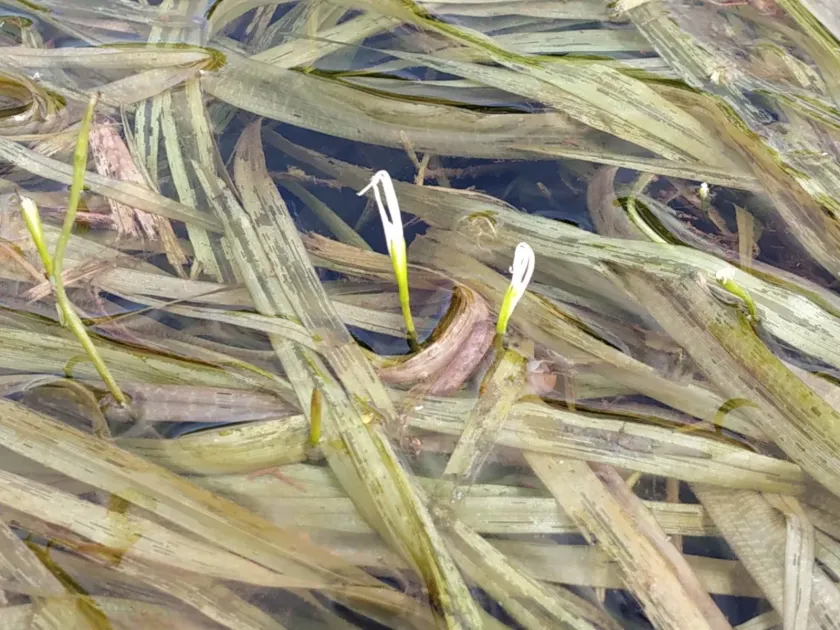
Description
Growing requirements
Blyxa echinosperma is an aquatic plant species belonging to the Hydrocharitaceae family. It is native to tropical and subtropical regions of Asia, where it typically inhabits wetlands, rice paddies, and the margins of slow-moving rivers or ponds.
Botanically, the plant is characterized by its rosette growth pattern and long, narrow, grass-like leaves. Its most distinctive feature, which gives it the species name, is the presence of spines on the surface of its seeds, an evolutionary adaptation for dispersal in aquatic environments.
To cultivate this species successfully, specific environmental parameters must be met. Water temperatures should be maintained between 22°C and 28°C. Furthermore, the plant thrives in soft to medium-hard water with a slightly acidic to neutral pH level.
Lighting is a critical factor for Blyxa echinosperma. As a heliophilous species in its natural habitat, it requires intense, high-quality light to maintain its compact growth form and vibrant coloration. Inadequate lighting often leads to leaf elongation and diminished vitality.
Substrate nutrition is equally important. The species relies heavily on its root system for nutrient uptake. Using nutrient-rich substrates supplemented with iron and essential trace elements is necessary for healthy development and preventing deficiency symptoms.
Main diseases and pests
Algal competition is the primary threat to Blyxa echinosperma. Fast-growing algae can rapidly overgrow the rosettes, suffocating the plant by blocking necessary light. Managing the nutrient balance and ensuring efficient water flow are essential preventative measures.
Physiological stressors, such as sudden shifts in water chemistry, can cause the plant to lose structural integrity. Rapid changes in pH or hardness levels often result in the softening of leaves and root decay, making the plant susceptible to secondary infections.
Iron deficiency is a common issue that manifests as chlorosis in younger leaves. If left uncorrected, the plant's overall metabolic rate drops, rendering it weak and prone to decay from opportunistic fungi or bacteria in the substrate.
Herbivory by aquatic invertebrates, such as snails or certain insect larvae, can damage the delicate foliage. While rarely fatal to an established clump, significant grazing pressure can stunt growth and ruin the visual quality of the plant.
Poor water circulation in dense clusters can create hypoxic zones within the substrate. This lack of oxygen around the roots can lead to the accumulation of toxins, eventually causing the collapse of the root system and the death of the plant.