
Blyxa octandra
Blyxa octandra
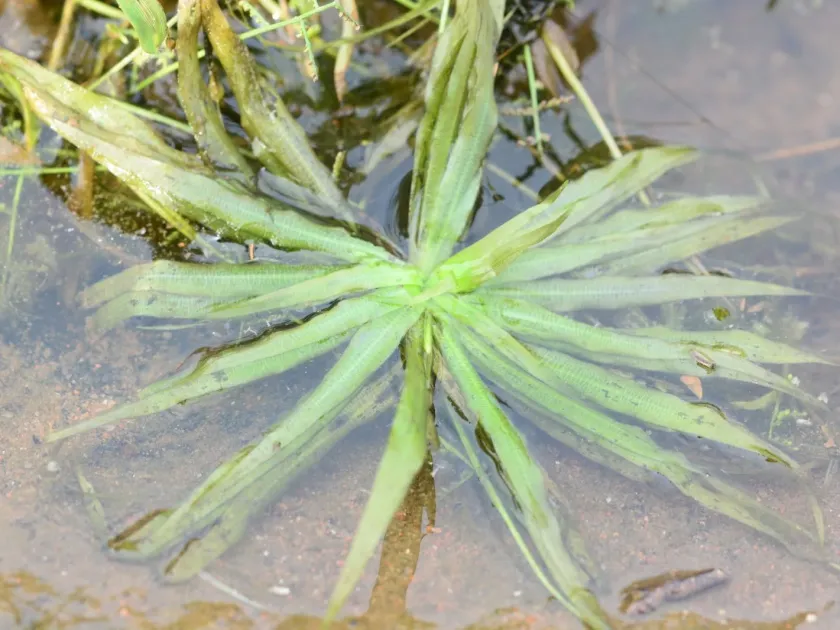
Description
Growing requirements
Blyxa octandra is a perennial herbaceous aquatic plant belonging to the Hydrocharitaceae family. It is native to tropical and subtropical regions of Asia, commonly found in swamps, ponds, and irrigated rice fields where it thrives in stagnant or slow-moving freshwater environments.
The plant features a rosette-like structure with narrow, linear leaves radiating from a short, central stem. Its root system is relatively shallow, designed to anchor the plant into nutrient-rich substrate, such as silt or loamy soil, which is typical for its natural wetland habitats.
Cultivation of Blyxa octandra requires specific environmental conditions to maintain its healthy growth. It thrives in water temperatures ranging from 22 to 28 degrees Celsius and requires high-intensity light. Supplemental carbon dioxide is often necessary to promote lush foliage and robust development in a controlled environment.
Soil requirements involve a substrate rich in essential nutrients, particularly iron and potassium. If the substrate is nutrient-deficient, the plant will show signs of yellowing leaves (chlorosis). Maintaining water quality, including proper pH levels and hardness, is critical for the long-term survival of the species.
In terms of practical usage, Blyxa octandra is highly valued in the aquarium hobby for its dense growth pattern and aesthetic appeal. In its native range, it acts as an important component of freshwater ecosystems, helping to maintain water clarity and providing shelter for small aquatic organisms.
Main diseases and pests
Primary threats to Blyxa octandra include fungal infections which often occur when debris accumulates around the root base, leading to rot. Poor maintenance practices, such as irregular water changes or inadequate nutrient dosing, can weaken the plant and make it susceptible to opportunistic pathogens.
Pests such as freshwater snails may feed on the delicate leaves, causing physical damage that stunts growth. Additionally, the proliferation of aggressive algae species can outcompete Blyxa octandra for light and nutrients, ultimately causing the aquatic plant to wither and disappear from its habitat.