
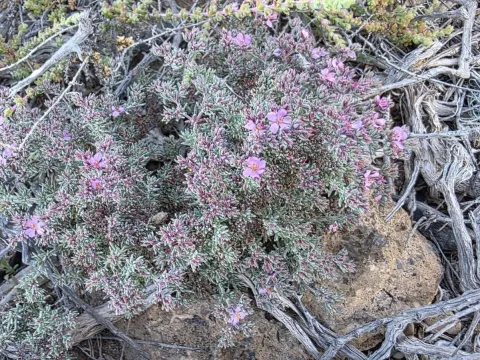
Frankenia
Frankenia
Frankenia is a genus of halophytic plants belonging to the Frankeniaceae family. These plants are uniquely adapted to thrive in high-salinity environments, often found in coastal areas and inland salt flats.
What the section contains


Frankenia
The genus originates from arid and semi-arid regions globally, showing exceptional tolerance to both high temperatures and soil mineralization that would be lethal to most conventional crops.
Regarding climate, Frankenia requires full sunlight exposure to maintain its growth density. Insufficient light can result in stretched stems and reduced vitality, making sunny sites essential for successful cultivation.
Soil requirements focus on excellent drainage. While the plants tolerate saline conditions, they are sensitive to waterlogging. A sandy or gritty soil structure is ideal for promoting healthy root system development.
Maintenance of moisture levels is crucial only during the establishment phase. Once mature, the plants exhibit significant drought tolerance, though supplemental irrigation may be provided in extreme heat to maintain vigor.
The primary threats to Frankenia are fungal infections triggered by excessive soil moisture and poor drainage. Root rot is the most common issue affecting plants in stagnant water conditions.
In sheltered environments, pests such as spider mites may become a concern. Regular monitoring of the foliage is recommended to identify early infestations before they spread significantly.
Weed competition presents a major obstacle during the initial growth stages. Because Frankenia often grows at a moderate pace, early weeding is vital to prevent invasive species from choking the crop.
Environmental stress, such as sudden shifts from extreme drought to intense saturation, can weaken the plant's natural defense mechanisms, making it more susceptible to opportunistic pathogens.
Prevention is the best strategy for managing diseases in Frankenia. By ensuring adequate drainage and avoiding overhead watering, growers can drastically reduce the risk of infection and pest colonization.