
Frankenia laevis
Frankenia laevis
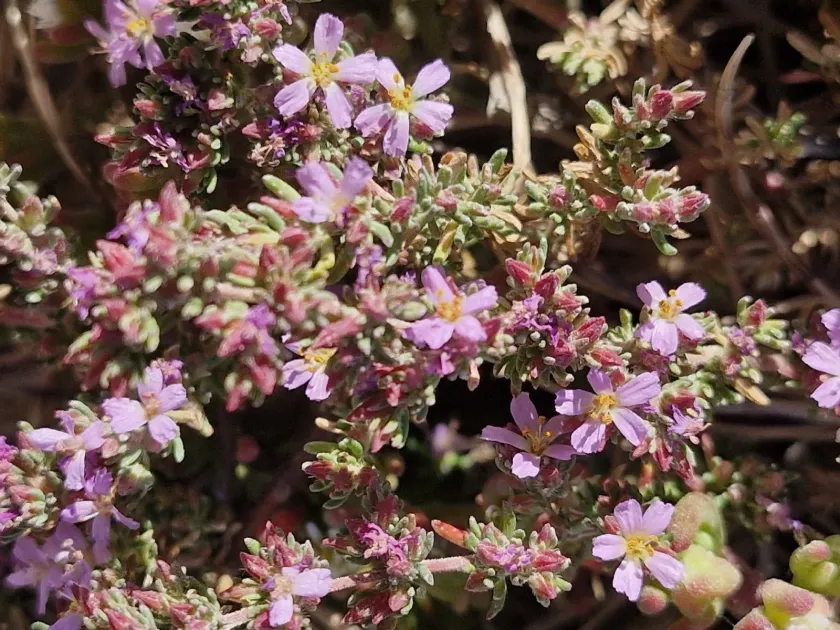
Description
Sowing dates
Sowing Frankenia laevis is best performed in the spring, once the soil has warmed up sufficiently. This timing ensures that young plants establish a robust root system before the onset of the summer heat.
The seeds are small and should be sown on the surface of well-drained, sandy compost. Gently pressing them into the soil is sufficient, as they require light to germinate effectively.
Maintain consistent moisture during the germination process, but avoid waterlogging the seeds. Once seedlings develop their first set of true leaves, they can be carefully moved into individual pots.
Growing from transplants is a common practice, as it allows for better control over the environment. Harden off the plants gradually before planting them into their final destination in the landscape.
Spacing should be roughly 20 to 30 centimeters apart to allow the plants to spread and create a dense, green mat over time. This carpet-like growth is highly effective at suppressing weeds.
Growing requirements
Frankenia laevis, commonly known as sea heath, belongs to the Frankeniaceae family. It is a hardy, salt-tolerant sub-shrub that is naturally adapted to coastal environments and sandy soils.
The plant thrives in full sun exposure. Adequate light is essential for maintaining its compact, cushion-like habit and encouraging a prolific display of small, pink flowers throughout the summer months.
It requires soil with excellent drainage. While it can tolerate poor-quality and saline soils, it will struggle in heavy or waterlogged clay, which can lead to root rot during the winter months.
Drought tolerance is one of the most prominent features of this species. Once established, Frankenia laevis requires very little supplementary watering, making it an excellent candidate for xeriscaping.
In terms of maintenance, this species is exceptionally low-effort. It does not require regular fertilization, as it is adapted to nutrient-poor coastal conditions, though a light pruning can help shape the mat.
Main diseases and pests
Frankenia laevis is naturally resistant to most common pests and diseases. Its tough, leathery foliage and salt tolerance provide a natural defense against many traditional horticultural issues.
The primary threat is fungal disease caused by excessive soil moisture and poor airflow. If the plant is kept in standing water, the roots will quickly become susceptible to decay.
Pest issues are minimal, though localized aphid infestations can occur in very sheltered and stagnant conditions. These are usually managed through improved ventilation or biological controls.
Routine removal of debris and dead stems is recommended to promote good air circulation. This simple practice prevents the buildup of moisture-loving spores that could harm the plant's health.
Careful site selection is the best form of pest and disease control. By providing the plant with the sunlight and drainage it craves, you ensure a long and vigorous life for your Frankenia groundcover.