
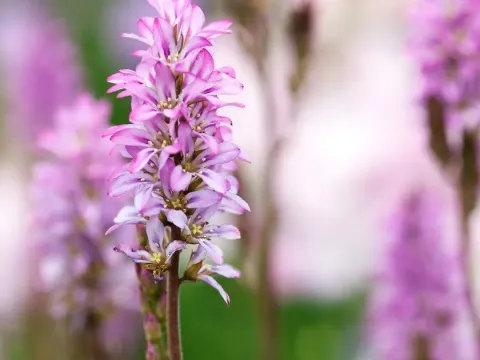
Francoa hybrids
Francoa hybrids
Sowing Francoa hybrids (Francoa hybrids) seeds is best initiated in late winter within a controlled greenhouse environment. Seeds require a period of cold stratification to break dormancy and ensure a uniform germination rate across the tray.
What the section contains
Francoa hybrids
Use a sterile, well-draining seed-starting mix to prevent damping-off, a common issue with small seedlings. Sow seeds superficially as they are light-dependent for successful germination, pressing them gently into the moist substrate.
Once seedlings have developed at least two sets of true leaves, carefully prick them out into individual pots. Maintaining high humidity and consistent light levels during this phase is crucial for establishing robust young plants.
Transplanting into the garden should occur only after the risk of late spring frost has completely passed. Acclimatize the plants gradually over a week to the outdoor environment to prevent transplant shock.
Vegetative propagation via crown division is a viable alternative to seed sowing. This ensures identical plant characteristics and typically results in a faster maturation cycle compared to plants grown from seed.
Francoa hybrids, belonging to the Francoeae family, are herbaceous perennials originating from the temperate regions of Chile. They are prized for their dramatic basal rosettes and long, elegant flower spikes.
These plants thrive in dappled shade or positions with morning sun and afternoon protection. Excessive heat and direct sunlight can scorch the foliage, leading to premature leaf drop and stress on the plant.
Soil requirements include a moisture-retentive yet free-draining medium, rich in organic matter. They perform best in slightly acidic to neutral soils; however, soil structure is more critical than pH for long-term health.
Consistent moisture is key to the successful cultivation of Francoa. During the peak growing season, water deeply but allow the surface of the soil to dry slightly between irrigation events to avoid root suffocation.
In colder climates, these plants require winter protection or should be treated as conservatory plants. Mulching the crown with organic material provides essential insulation against freezing temperatures and frost heaving.
Root rot is the most significant threat to Francoa hybrids, predominantly caused by overwatering or poorly drained substrates. Once signs of decay appear, it is difficult to reverse, emphasizing the need for preventative drainage.
Botrytis, or grey mould, may affect the leaves and flowers under conditions of stagnant air and high humidity. Improving airflow around the foliage and removing any dead or decaying plant tissue is essential for disease control.
Slugs and snails are frequent pests that target the succulent foliage, leaving behind unsightly holes and skeletonized leaves. Using physical barriers or organic bait traps is an effective way to protect the plants.
Aphids can occasionally cluster on the developing inflorescences, weakening the flower spike. Routine inspection and the application of insecticidal soaps or neem oil help to manage these infestations without harming the environment.
Maintaining a clean garden bed by clearing debris and avoiding overcrowding helps prevent the build-up of fungal spores and pest populations, ensuring the longevity and health of the Francoa display.