
Greyia
Greyia
Greyia is a genus of deciduous shrubs or small trees belonging to the Melianthaceae family. Native to the rocky slopes of South Africa, these plants have evolved to thrive in specialized environments, characterized by well-drained soils and high sun exposure.
What the section contains


Greyia
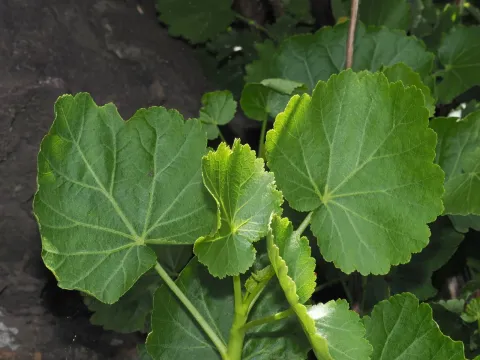
Botanically, Greyia is noted for its beautiful, nectar-rich, crimson-colored inflorescences that emerge at the tips of branches. Its leaves are usually simple, alternate, and often exhibit serrated edges, adding ornamental value even when the plant is not in bloom.
Cultivation requirements necessitate a very well-drained soil mix, typically composed of sandy loam combined with organic matter. Proper drainage is the most critical factor, as stagnant water will quickly cause root rot, especially during cooler, dormant periods of the year.
The climate requirements for Greyia involve plenty of bright, indirect to direct sunlight. While they are hardy in their native habitat, they require protection from frost and freezing temperatures in temperate climates, making them suitable for greenhouse or indoor cultivation in colder zones.
Maintenance techniques involve pruning after the flowering stage to encourage new, vigorous growth and to maintain the desired plant shape. Watering should be deep but infrequent, allowing the soil to dry out significantly between applications to mirror the natural wetting and drying cycles of their native climate.
The primary threats to Greyia include fungal pathogens such as leaf spot and root rot, which are triggered by poor air circulation or overwatering. Maintaining a sterile growing environment and ensuring sufficient airflow around the foliage significantly reduces disease pressure.
Common pests include spider mites and aphids, which can colonize the plant during hot and dry spells. Integrated pest management, including regular inspection and the use of targeted biological or chemical control agents, is essential for maintaining the health of the specimens.