
Bersama
Bersama
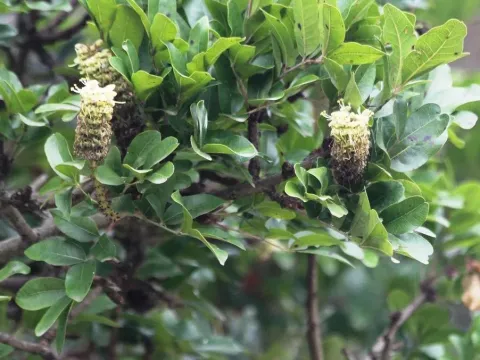
Bersama is a genus of evergreen trees and shrubs belonging to the Melianthaceae family. Primarily native to tropical Africa, these plants are widely recognized for their biological diversity and ecological roles within their habitats.
What the section contains


Bersama
Cultivation of Bersama requires a tropical or subtropical climate characterized by high humidity and consistent temperatures. The species are highly sensitive to frost, which makes them unsuitable for temperate climate zones without specialized greenhouse protection.
The ideal soil conditions for these plants include well-draining, nutrient-rich substrates. They thrive in slightly acidic to neutral soils, where they can develop deep and stable root systems without the risk of waterlogging.
Agricultural practices involve consistent watering during dry periods and appropriate spacing to ensure sufficient airflow. Mulching is highly recommended to maintain soil moisture and suppress the growth of competitive weeds around the base.
Economic and utility applications are multifaceted. Beyond their medicinal use in traditional practices, Bersama species are often utilized in landscaping as ornamental foliage plants due to their lush, pinnate leaves and attractive growth habit.
Common pathological threats include various leaf-spot diseases caused by fungal pathogens that flourish in stagnant, humid environments. Management strategies focus on improving air circulation and applying copper-based fungicides when necessary.
Insect pests such as scale insects and aphids may occasionally infest younger foliage, causing stunted growth. Effective control is usually achieved through integrated pest management techniques, prioritizing biological predators over synthetic chemicals.